Posted in Art Deco, Bridges, Dumbarton, Trips at 12:00 on 22 May 2024
John Frostbrug in Dutch, this is the famous bridge too far, except it’s a replacement for the original Rhine Bridge fought over in the Second World War during Operation Market Garden. It’s somewhere in The Netherlands I’ve always wanted to visit.


I must say the River Rhine looks not very wide here – not as wide as the Clyde at Dumbarton certainly. Still an obstacle to an army though:-

Eastern guard post. Slight Deco styling. I assume this is original:-

Western guard post. Note groove up the middle of steps, for wheeling bicycles up and down.:-

Reverse view of bridge:-


Roadway:-

Commemorative plaque with inscription to John Frost by roadway on north side of bridge:-

4 Comments »
Posted in Dumbarton, History at 12:00 on 28 February 2024
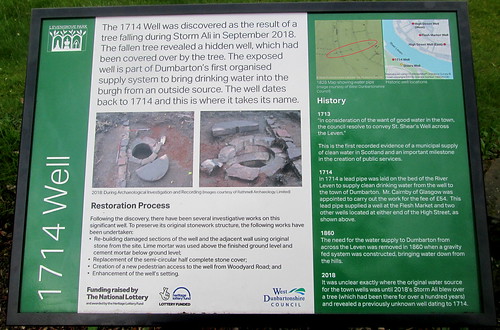
This is something I didn’t know existed till our visit to Dumbarton last May. It’s the remains of a well in Levengrove Park.

The information board explained it all. Rediscovered after a tree fell during a storm in 2018 (long after I had stopped living in Dumbarton) it was part of the first system to bring water into the town from outside. In 1714 the land on which Levengrove Park now stands would have been beyond the boundaries.
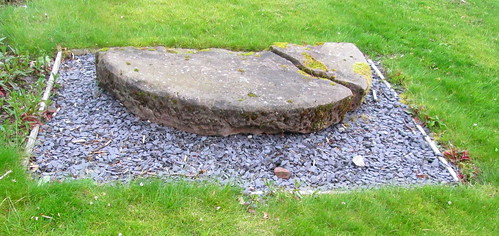
The rest of the stone which had covered the well has been placed nearby:-
No Comments »
Posted in Architecture, Dumbarton at 12:00 on 25 February 2024
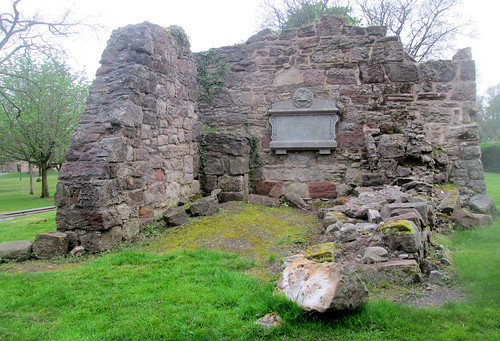
These ruins are in Levengrove Park.
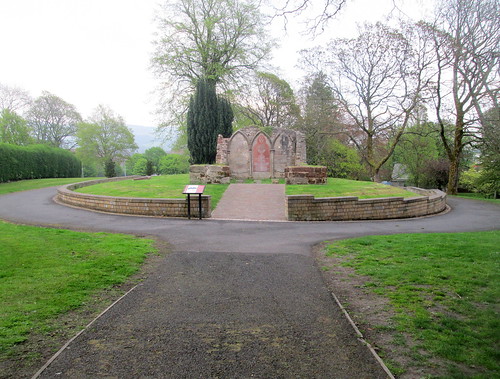
The church is the supposed burial place of the viscera of King Robert the Bruce.

Information Board for the ruins:-

Remains of east wall:-
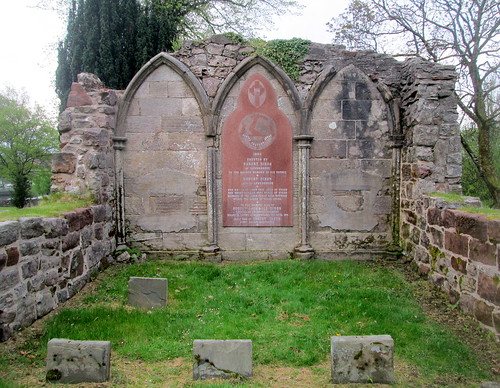
Reverse View of ruins:-
No Comments »
Posted in Dumbarton, Linguistic Annoyances at 20:30 on 21 February 2024
Aladdin Hot 4 U in Dumbarton High Street:-
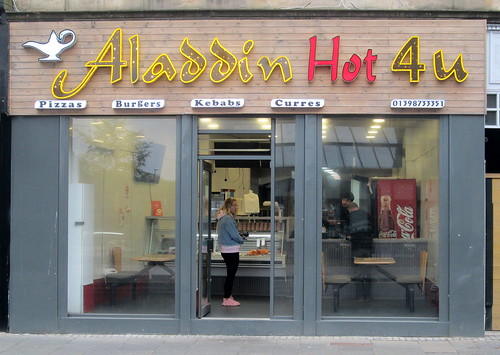
They claim to sell not only Pizzas, Burgers and Kebabs but also Curres.
No Comments »
Posted in Dumbarton, Shipping at 12:00 on 2 July 2023
A surprising exhibit at the Dumbarton arm of the Scottish Maritime Museum was a model of a prototype helicopter:-

The blurb below explains:-

There were also some models of wooden ships (that could be a cue for a Crosby, Stills and Nash song):-


Plus another ship model, this one of HMS Dumbarton Castle:-

No Comments »
Posted in Dumbarton, Shipping at 12:00 on 29 June 2023
One of the reasons why Dumbarton is a site for the Scottish Maritime Museum, apart from its shipbuilding history, is the location there of a ship model experiment tank built in 1882 by Denny & Brothers to test new ship designs.
View of tank machinery:-
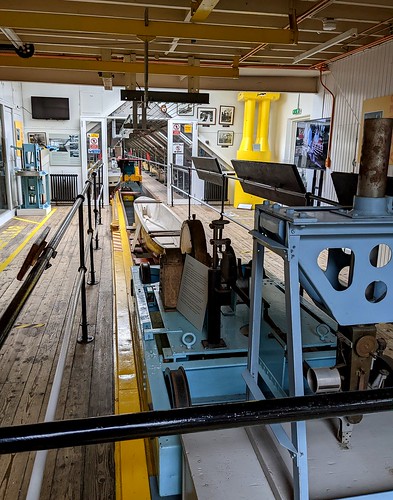
The day we visited there was no access beyond the doors:-

There was, though, a display of various bow types:-
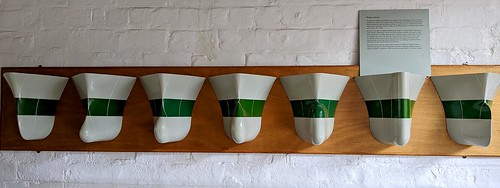

The site still builds and tests wooden hull models:-

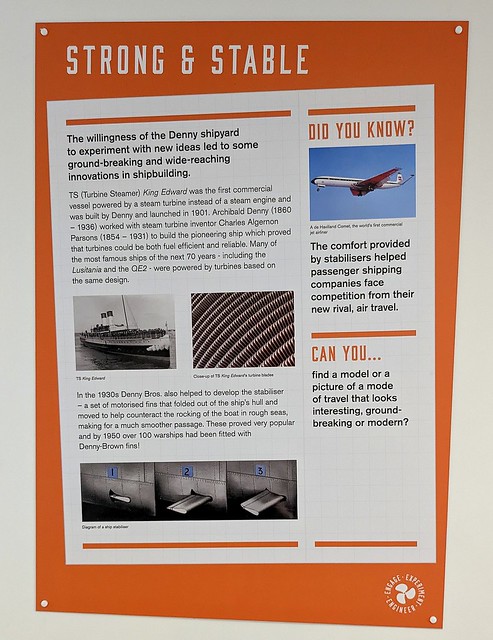
This poster shows two of the innovations Denny’s came up with, the steam turbine and stabilisers:-
No Comments »
Posted in Dumbarton, Dumbarton FC, Shipping at 12:00 on 26 June 2023
William Denny & Brothers (known simply as Denny’s) was perhaps the best known Dumbarton shipyard and was a major employer in the town. When it shut down in 1963 it cast a palpable gloom over the town from which arguably it has never recovered.
The photograph below is of the shipyard in its heyday and along with the accompanying information (second below) is on display at the Scottish Maritime Museum building in Dumbarton.


Also on display there is a model of the shipyard in its location alongside Dumbarton Rock :-
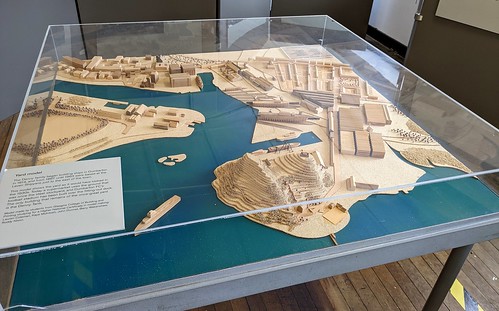
The Dumbarton Football Stadium – home to the Sons of the Rock – now exists in the area where Denny’s fitting out dock lay. I’ll come later to the Denny Tank mentioned in the information below:-

No Comments »
Posted in Dumbarton, Shipping at 12:00 on 25 June 2023
The famous tea clipper Cutty Sark, now a visitor attraction in London, was built in Dumbarton, first at the yard of Scott and Linton but that firm went bankrupt before she could be completed and Denny & Brothers had to step in to finish the build.
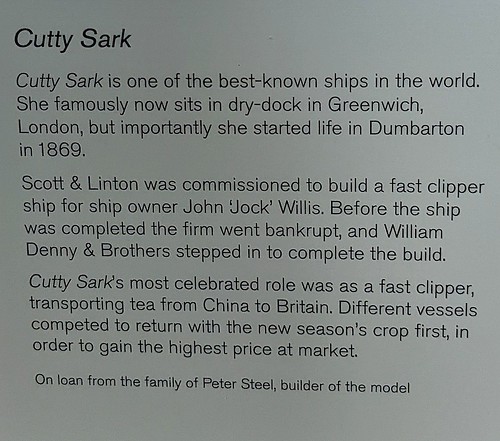
There is a branch of the Scottish Maritime Museum in Dumbarton and we visited it last June where the above information was displayed beside a model of the ship – as well as its cat’s head mascot:

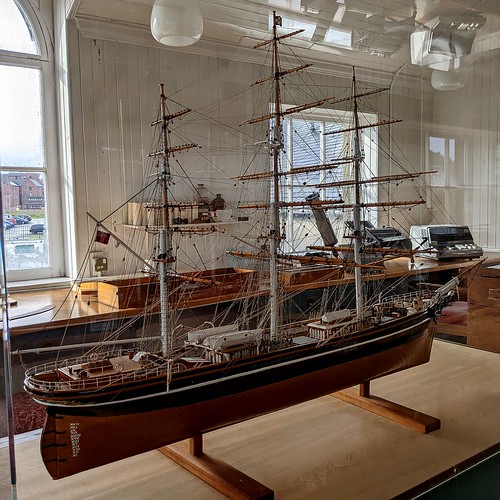
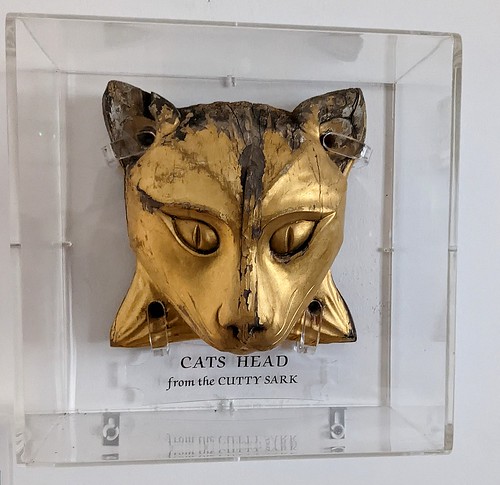
It’s a pity that the Cutty Sark itself is on display in London* as it would be a great pull for visitors to Dumbarton if it were to be returned home.
*Not that it’s the original ship since a lot of it was destroyed by fire in 2007.
No Comments »
Posted in Dumbarton, War Memorials at 12:00 on 27 May 2023
I posted one photograph of the War Memorial inside St Augustine’s in my first post about the church. At the West Dunbartonshire Open Day in September I took a few more.
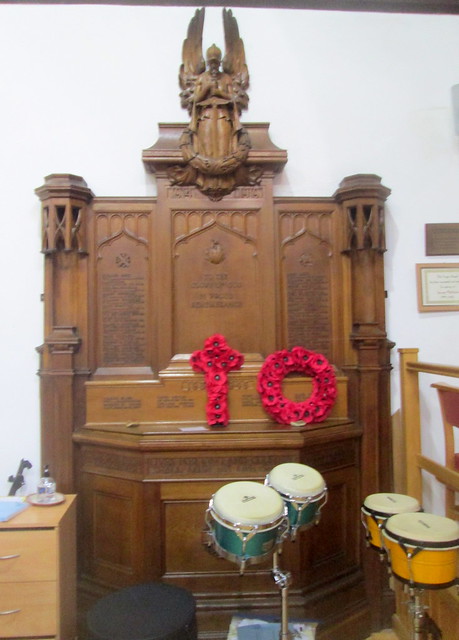
Dedications. “1914-1919. To the glory of God in proud remembrance.” Below “1939-1945.”

Lower left portion:-

Lower right portion:-
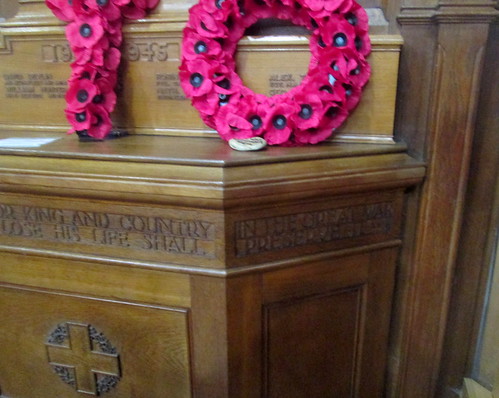
The total inscription reads, “These gave their lives for King and country in the Great War. Whosoever shall lose his life shall preserve it.”
No Comments »
Posted in Dumbarton, War Memorials at 12:00 on 24 May 2023
It was something I took for granted growing up but the communion rail of St Augustine’s Church Dumbarton is actually a memorial to the dead of the First World War.
Communion rails, St Augustine’s, Dumbarton. Inscribed “To the glory of God and in loving memory of thos ewho gave their lives in the Great War 1914 1919.”:-


You will note the angels on the gateposts:-

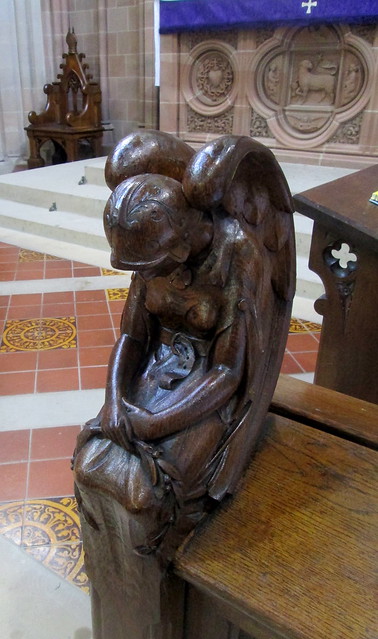
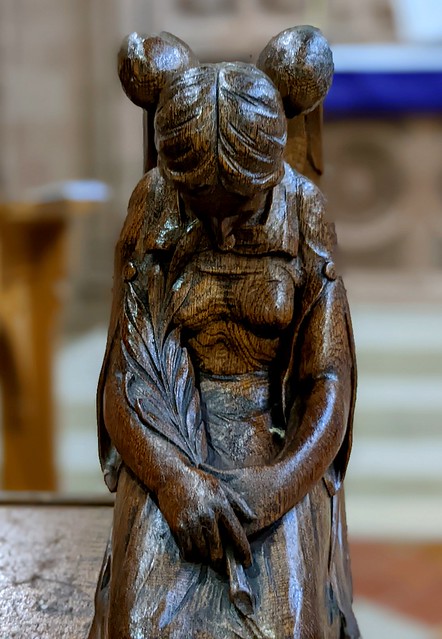

These are thought to be modelled on “the Angels of Mons.” On the West Dunbartonshire open day last September a leaflet on one of the rails provided background information:-

The legend of the angels was certainly a useful morale booster to the Allies at the time when the war had settled down into trench stalemate but there is if course no evidence for any actual supernatural intervention – whether by angels or bowmen from Agincourt. The fact that the war continued for another four years of industrialised slaughter would suggest that any divine interference in its outcome was severely lacking.
Pedant’s corner:- The leaflet refers to a General Dorrien-Smith. His name was actually Horace Smith-Dorrien.
No Comments »
