Drummond Castle Features
Posted in Architecture, Trips at 12:00 on 14 October 2026
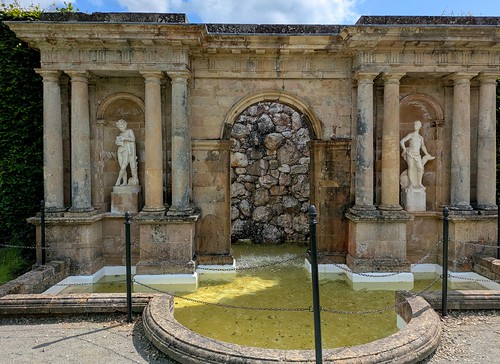
Waterfall in folly. The waterfall cascades down the stonework behind the building:-
Sundial. Castle in background:-

In greenhouses:-


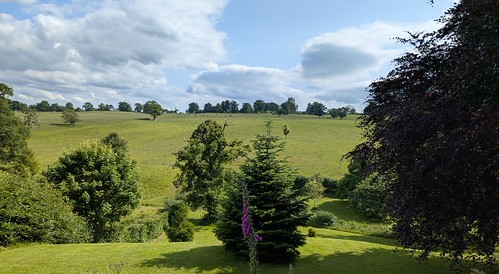
View beyond gardens:-
Posted in Architecture, Trips at 12:00 on 14 October 2026
Waterfall in folly. The waterfall cascades down the stonework behind the building:-
Sundial. Castle in background:-
In greenhouses:-
View beyond gardens:-
Posted in Architecture, Trips at 12:00 on 10 October 2026
Drummond Castle lies not far from Muthil and was our main destination the day we travelled that way.
Castle from approach road from car park:-

Entranceway:-
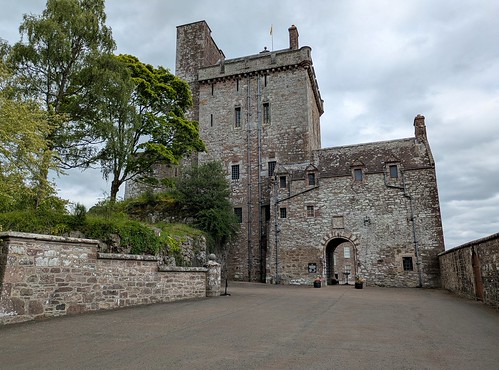
Main building:-

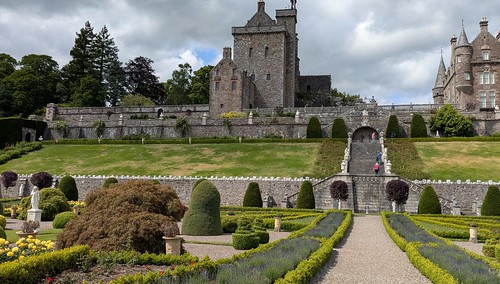
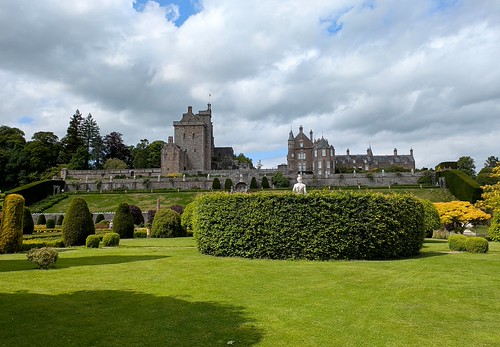
The castle’s prime attraction for visitors is its magnificent gardens.
Castle from gardens:-

Posted in Architecture, Trips at 12:00 on 16 September 2026
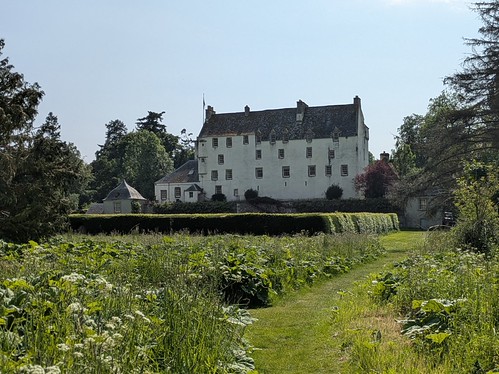
Traquair House is Scotland’s oldest continuously inhabited house.
House from distance:-

Closer view. there are “new” wings to either side:-

Right side new wing:-

Left side new wing:-

A drawing of Traquair House in earlier days is on one of its internal walls:-

Rear of house, hedged maze in middle ground:-
Posted in Architecture, English Football Grounds, Trips at 12:00 on 24 August 2026
Valley Parade – at the time I photographed it the University of Bradford Stadium but now apparently Mbanq Valley Parade – is the home of Bradford City AFC, known as the Bantams.
Main stand:-

Stands:-

View to far stand (to right):-

Further in towards the city centre were two architecturally interesting (to me anyway) buildings:-

This one has hints of Art Deco – horizontals, verticals, rule of three – but it’s really more classical:-

Posted in Architecture, Art Deco at 12:00 on 5 July 2026
Seahouses is a village just south of Bamburgh, in Northumberland, with views of the Farne Islands.
This Art Deco building now houses Gift Horse, Seahouses Cafe and King Kebab. Pity the windows have been replaced unsympathetically:-


Posted in Architecture, Art, Trips at 12:00 on 1 July 2026
These photos were all taken inside Bamburgh Castle.
Model of Castle:-

Painting of Castle by J M W Turner:-

King’s Hall:-

King’s Hall ceiling:-

A passageway:-

Window embrasure showing thickness of castle wall:-

A stairwell:-

Stone arched passageway:-

Stone ceiling:-

Posted in Architecture, Trips at 12:00 on 29 June 2026
Bamburgh Castle lies on the coast of Northumberland with views to Lindisfarne and the Farne Islands.
Castle from Bamburgh village:-

Castle from below:-

From south:-

Castle buildings from courtyard (stitch of three photos):-

Tower from courtyard:-

View from lower courtyard:-

Old entrance from lower courtyard:-

Castle from north wall:-

Castle keep:-

Posted in Architecture, Trips at 12:00 on 18 June 2026
Brodie Castle from approach drive:-

Side view:-

Dining table:-

Room with chandelier:-

Decorated internal doorway:-

Chaie longue:-

Posted in Architecture at 12:00 on 21 May 2026
On our trip north we were to pass through Fortrose on the Black Isle, so we stopped to look at the remains of the cathedral:-

Reverse view (stitch of two photos):-

Diagram of mediæval layout and ghost hint of how the cathedral looked then:-

Effigy of a former bishop in the precincts:-

Posted in Architecture, Art Deco, Cinemas, Edinburgh, Modern Architecture, Scotland at 12:00 on 11 May 2026
 Earlier this year we attended a book launch event in Edinburgh at the headquarters of Historic Environment Scotland.
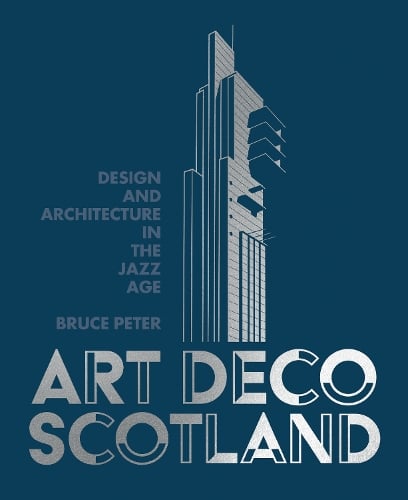
The book in question was Art Deco in Scotland, Design and Architecture in the Jazz Age written by Bruce Peter.
Laid out in the building’s rooms were various illustrations of Art Deco designs, models, architectural plans and magazine illustrations as well as a screened photomontage of reminders of Scotland’s Art Deco past, some of which are now sadly gone.
On Saturday last I finally got round to buying a copy of the book. (Who could resist a cover featuring the Tower of Empire from the Empire Exhibition 1938?)
Among many sumptuous photographs of cinemas, public, commercial and industrial buildings and fabric designs the book has a chapter dedicated to the Empire Exhibition.
I have not yet read the text but look forward to it.
