Posted in History, Trips at 12:00 on 6 January 2024
From Findhorn it was on to Forres, only five miles away.
We’d been to Forres before but our main objective this time was to see Sueno’s Stone, since we hadn’t visited it the last time.
Sueno’s Stone from car park:-
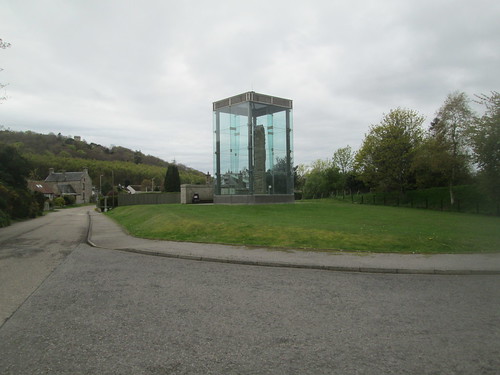
As you can see the stone is covered in glass to protect it from the elements.
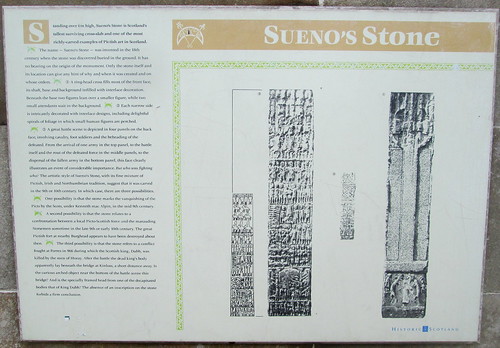
Information board:-
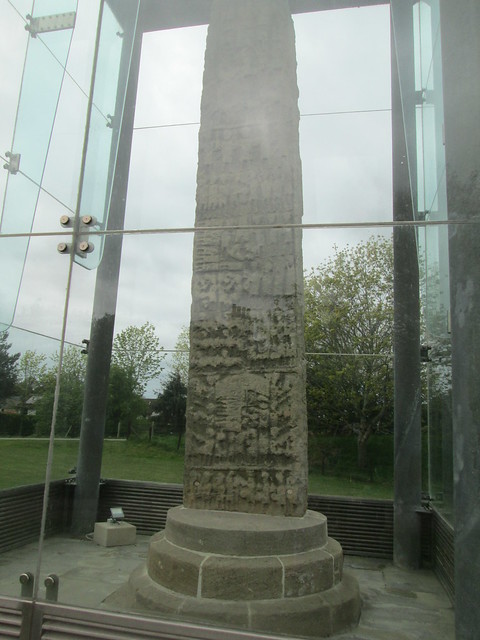
The stone is enormous, 21 feet high and inscribed with Pictish symbols:-


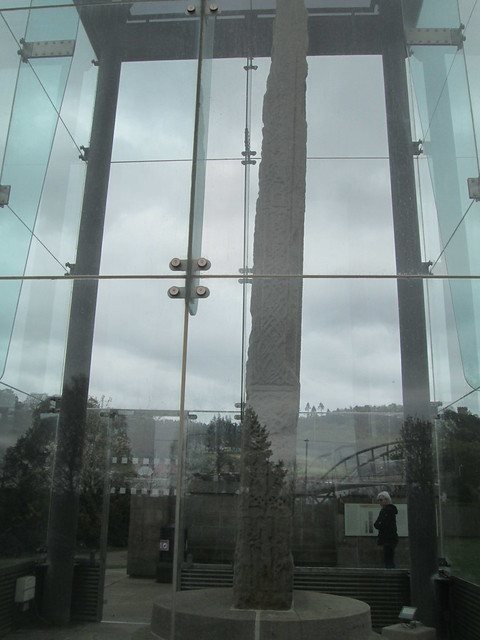
A further board gives information about Pictish symbol stones:-

1 Comment »
Posted in Architecture, History, Trips at 12:00 on 26 December 2023
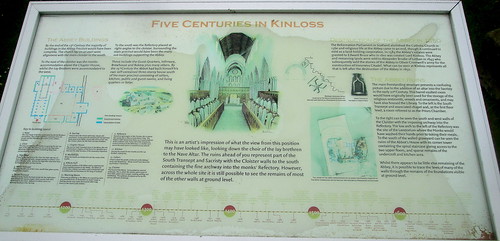
Kinloss Abbey was the largest Cistercian Monastery in the north of Scotland. Its ruins lie about three miles east of Forres.
Information board:-

Ruins from entrance:-
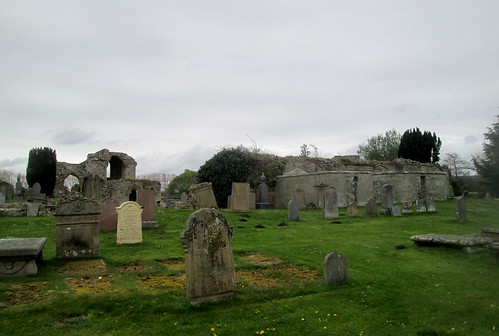
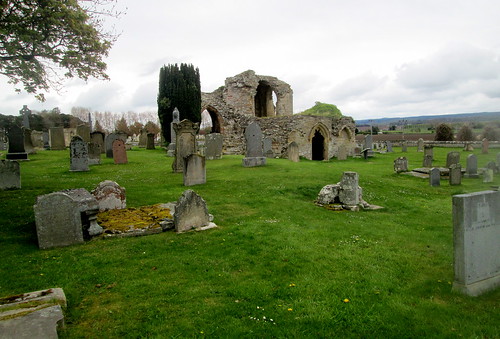
View to the right from above:-
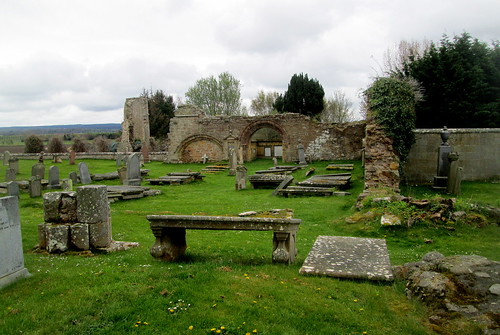
Tower towards left of picture above:-

Abbey History:-
No Comments »
Posted in Curiosities, History, Trips at 12:00 on 18 December 2023
Burghead Well, it seems, is something of a mystery.
When we picked the keys up from the visitor centre situated above the harbour the custodian told us the well contained freash water but was tidal. Well it is near the sea and estuaries are tidal.

Information board (to left above):-

Entrance:-

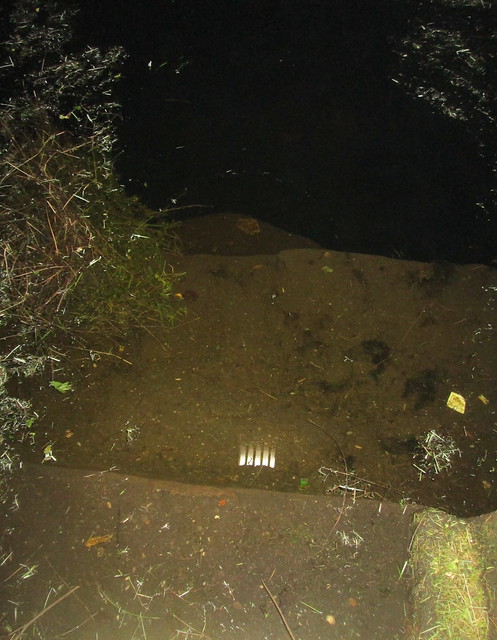
Steps in Water of Burghead Well:-
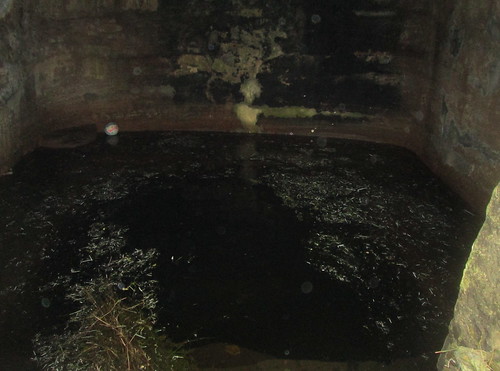
The Well (note floating football!):-
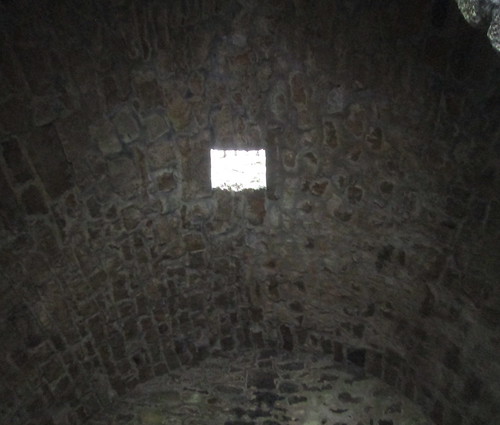
Wall and roof:-

Ceiling:-
No Comments »
Posted in History, Trips, War Graves at 12:00 on 23 November 2023
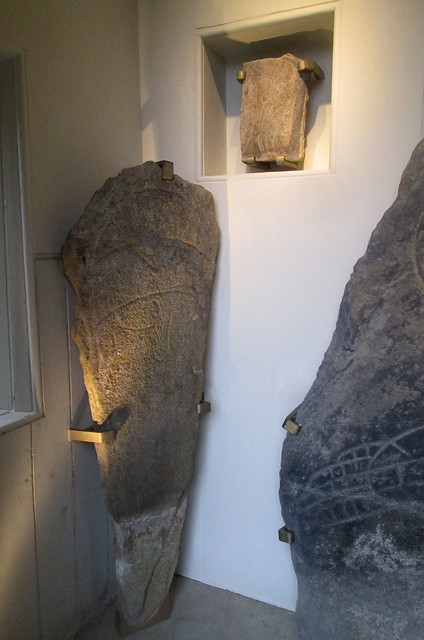
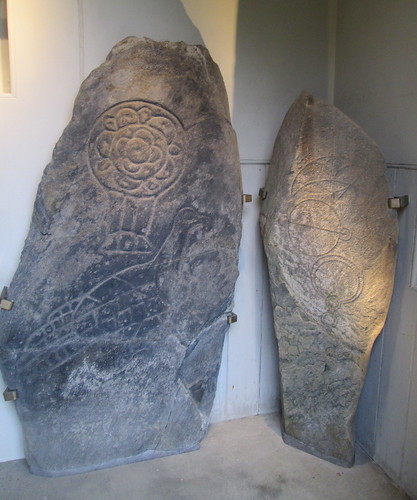
In between Ballindalloch and Criagellachie Bridge we turned off the A 95 to find Inveravon Church and its Pictish Stones.
The stones were once in the open but are now kept in a porch:-
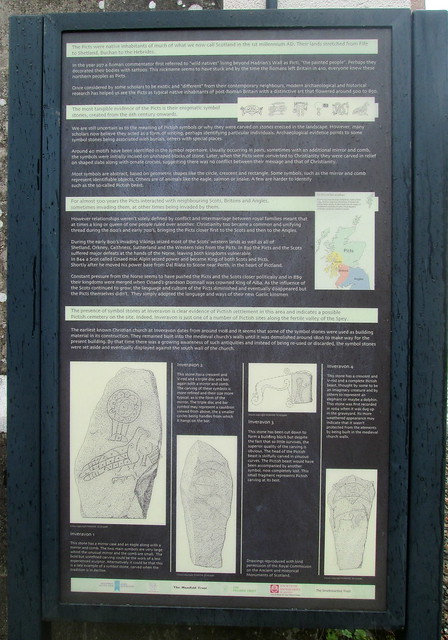
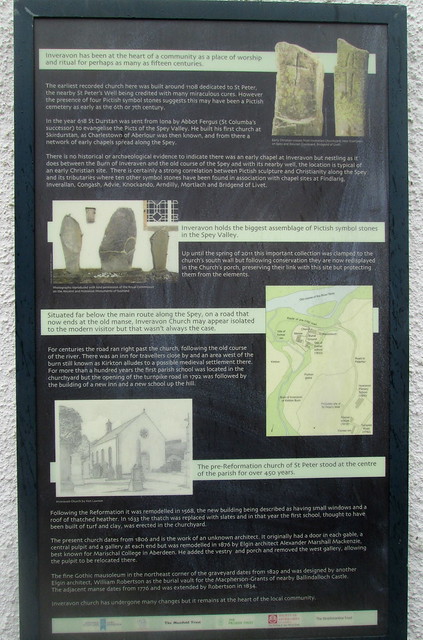
Information Boards:-
In the churchyard I found two Commonwealth War Graves.
Private A G Patterson, Seaforth Highlanders, 10/3/1915, aged 18:-

Private J A Cantlie, Gordon Highlanders, 30/5/1918, aged 20:-

No Comments »
Posted in History, Trips at 12:00 on 20 April 2023
The Picardy Symbol Stone stands in the middle of a field a couple of miles or so north of Insch in Aberdeenshire. It seems to mark a burial site.

Information Board:-


No Comments »
Posted in History, Trips at 12:00 on 16 April 2023
Tomnaverie Stone Circle is a recumbent stone circle in Aberdeenshire. It was one of the sites we visited when we were up north last summer.
Circle from north approach path:-

Altar stone from west:-

Information board:-

Stone circle from east:-

Stones:-


Altar stone with Lochnagar in the distance. It is likely that the altar stone was deliberately aligned with the mountain:-

Beside the stone circle and on the left of the north approach path is what shows above ground of a nuclear bunker. The ancient and (relatively) modern almost side by side:-


No Comments »
Posted in History, Trips at 12:00 on 12 April 2023
Culsh Earth House is a souterrain near Tarland in Aberdeenshire.
It lies beside the road on the B 9119 and it would be easy to miss it. It’s just a passage leading underground and no-one now knows what its purpose was but it might have been for storage.

Entrance unlit:-

Lit with flash:-

End of (short) passageway:-

No Comments »
Posted in Aberdeen, Architecture at 12:00 on 20 March 2023
On our trip up north last August we stayed in a hotel in Dyce.
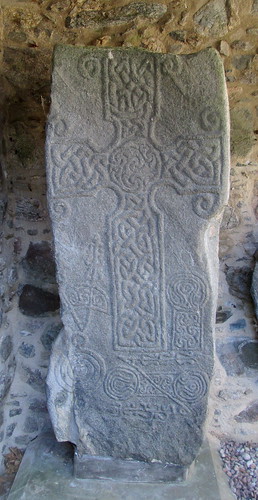
We knew there were ancient symbol stones near there but had never visited them.
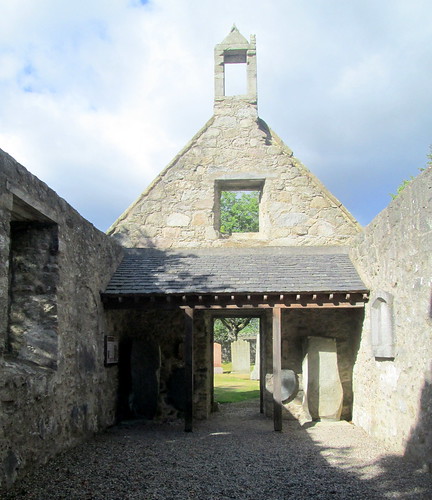
They are in St Fergus’s Church, the old Dyce Parish Church but now a fair bit out of town. The church sits on a hilltop beside a bend in the river Don, a lovely situation:-

The church was built in the 13th century but the symbol stones date from the 800s.
Ruins of church:-
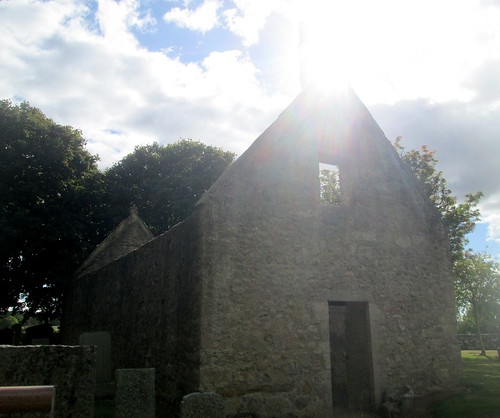
Symbol stones at nearer end of church ruins:-
Information Board:-

Symbols:-


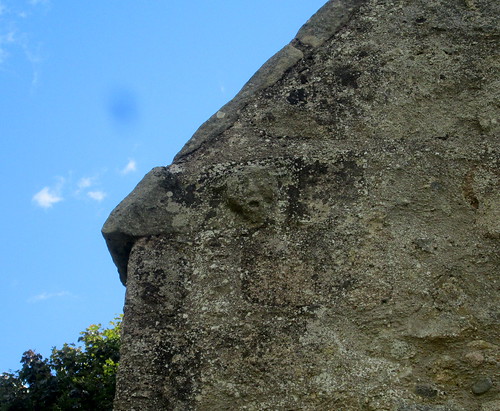
In the church yard we met a man who who was a retired stonemason and had worked on the church years before, so he pointed out things of interest, including the ‘green mannie’ on the corner of the building which you can just see in the photo below, he had actually discovered it when he was repointing the church.
No Comments »
Posted in History, Trips at 12:00 on 7 February 2023
The interior of Cuween Hill Chambered Cairn is reasonably spacious with plenty of room to stand up and various side chambers. The first of these photos was taken with the good lady’s camera phone:-


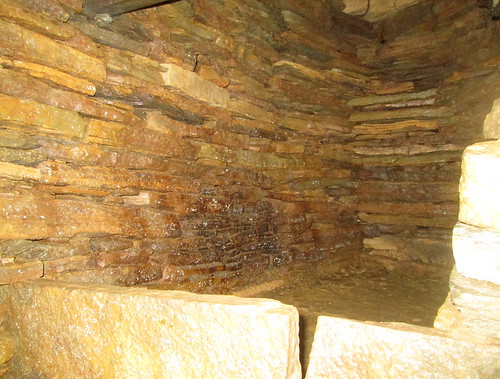
End wall with chamber entrance:-

Roof:-


No Comments »
Posted in History, Trips at 12:00 on 5 February 2023
Cuween Hill Chambered Cairn, Orkney, lies on Cuween Hill, south of Finstown on a path off the Old Finstown Road.
There’s a small car park – about two cars worth – but then there’s a bit of a climb (though not far) to the cairn.
Cairn:-

Information board:-

Entrance. The access is restricted. You have to crawl or stoop very low to get through the passage though once inside you can stand up very easily:-
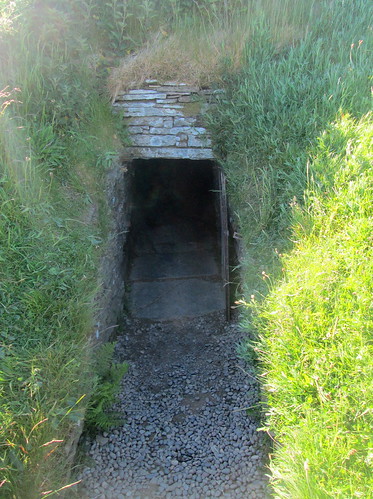
Entrance from inside:-

2 Comments »
