Posted in Architecture, Art, Glasgow at 12:00 on 22 October 2025
Below are photos of the reconstructed interior of the Glasgow house of Charles Rennie Mackintosh and his wife Margaret Mcdonald inside the Hunterian Art Gallery, Hillhead Street, Glasgow (see previous post.)
Entrance Hall, Mackintosh House, Hunterian Art Gallery:-

Hall mirror:-

Off the hall is the Dining Room whos efirniture is reminiscent of the dining room in Hill House which Mackintosh designed for the publisher Walter Blackie:-


2 Comments »
Posted in Art, Glasgow at 12:00 on 19 October 2025
A room at the Hunterian Art Gallery displayed some drawings Charles Rennie Mackintosh made for various projects.
Das Speise Zimmer. Mackintosh may have been designed for a Vienna exhibition around 1900:-

Othe rdrawings:-


The below have more of the feel of Margaret Mcdonald about them:-

No Comments »
Posted in Architecture, Art, Glasgow at 12:00 on 18 October 2025
Before reaching the reconstruction of the interior of Charles Rennie Mackintosh and Margaret Mcdonald’s Glasgow house at the Hunterian Art Gallery there are some other Mackintosh exhibits to see.
Model of unbuilt house. (This bears many similarities to Hill House in Helensburgh):-


Candlesticks designedby Charles Rennie Mackintosh:-

Charles Rennie Mackintosh designed cutlery:-

book covers. Mackintosh designed many of these for the publisher Blackie:-

Poster and Stair Hanging:-

No Comments »
Posted in Art, Trips at 12:00 on 23 August 2025
Windows and hangings:-


Tapestry:-

Chandelier, tapestry and fireplace:-

Pottery collections:-


Glassware:-

No Comments »
Posted in Art, Dundee, Museums at 12:00 on 10 May 2025
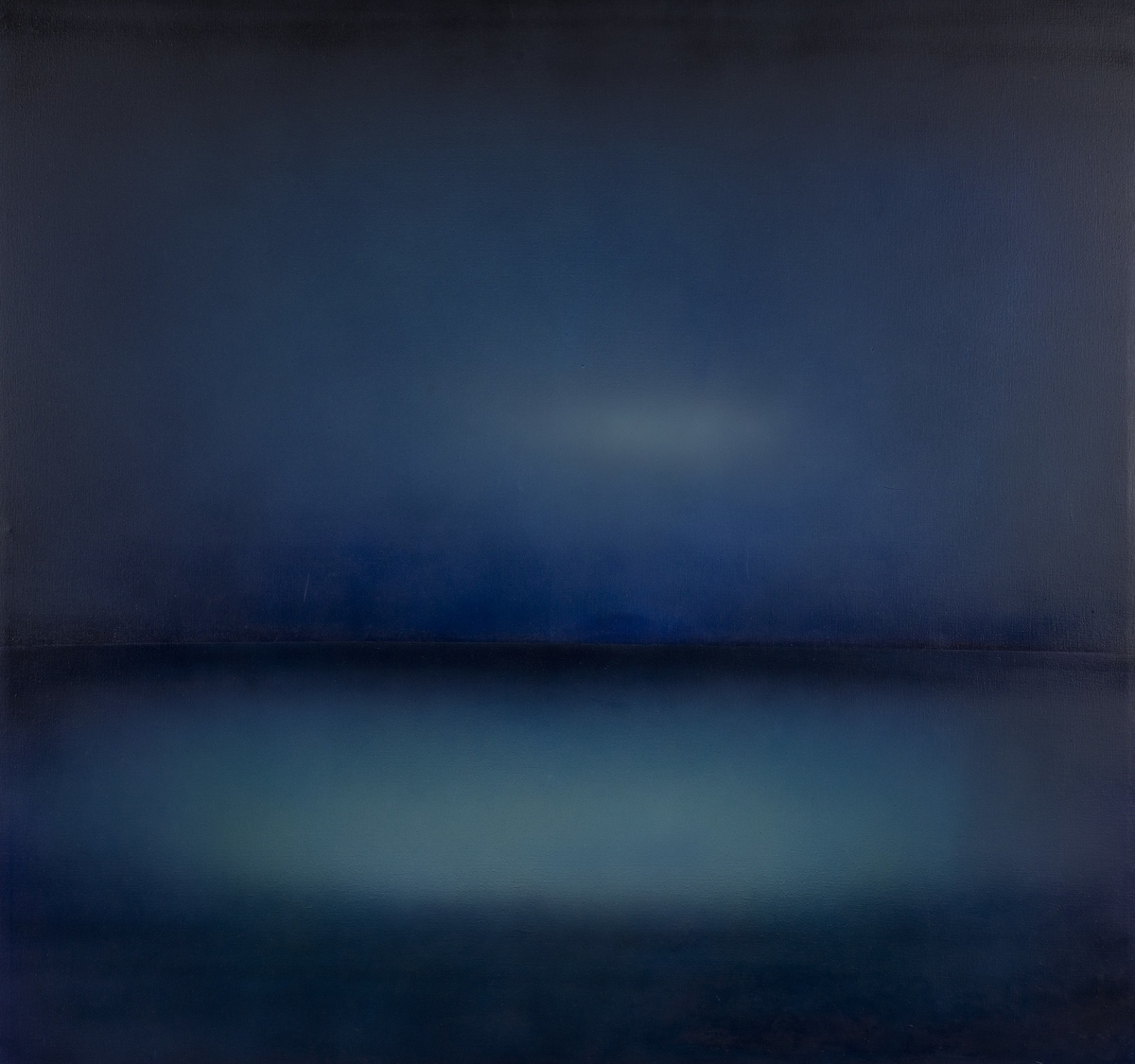
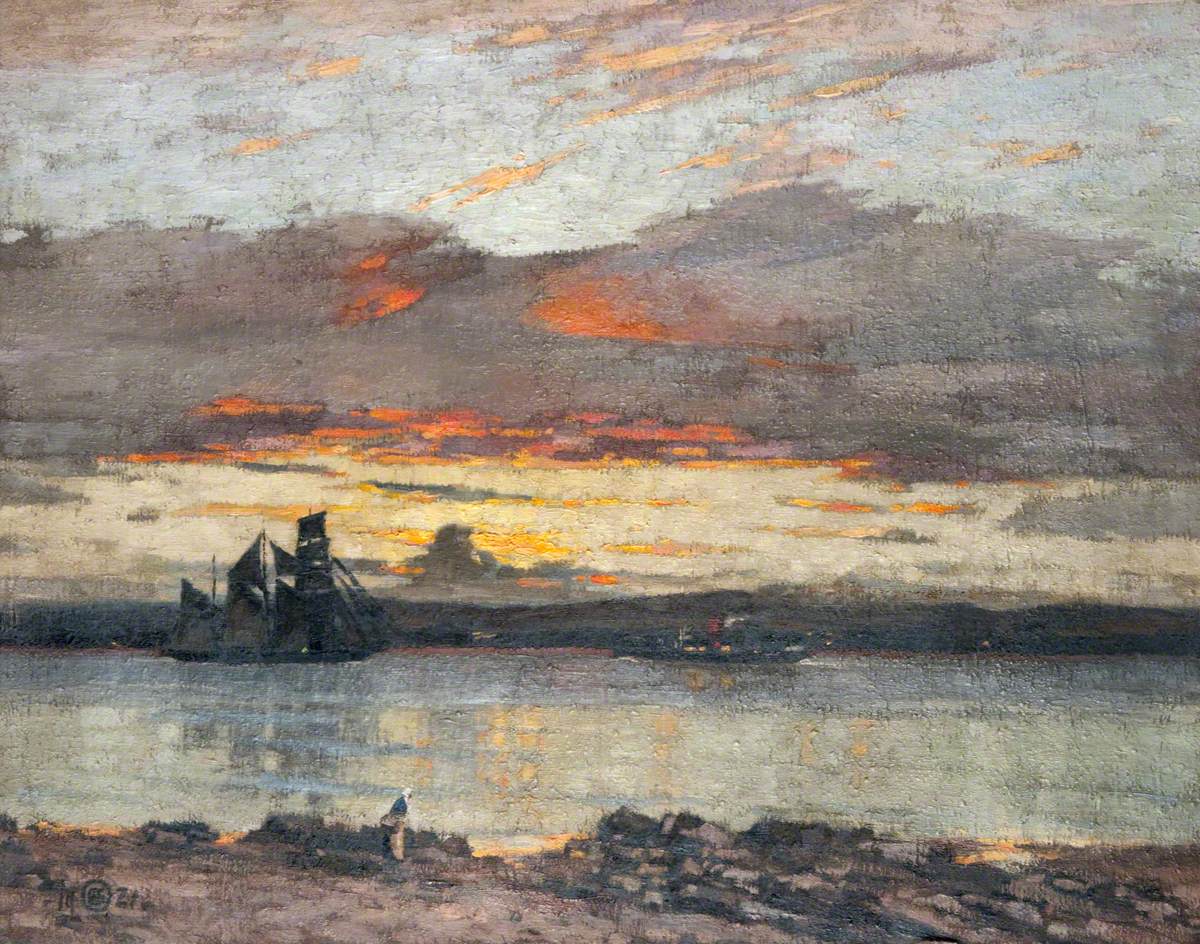
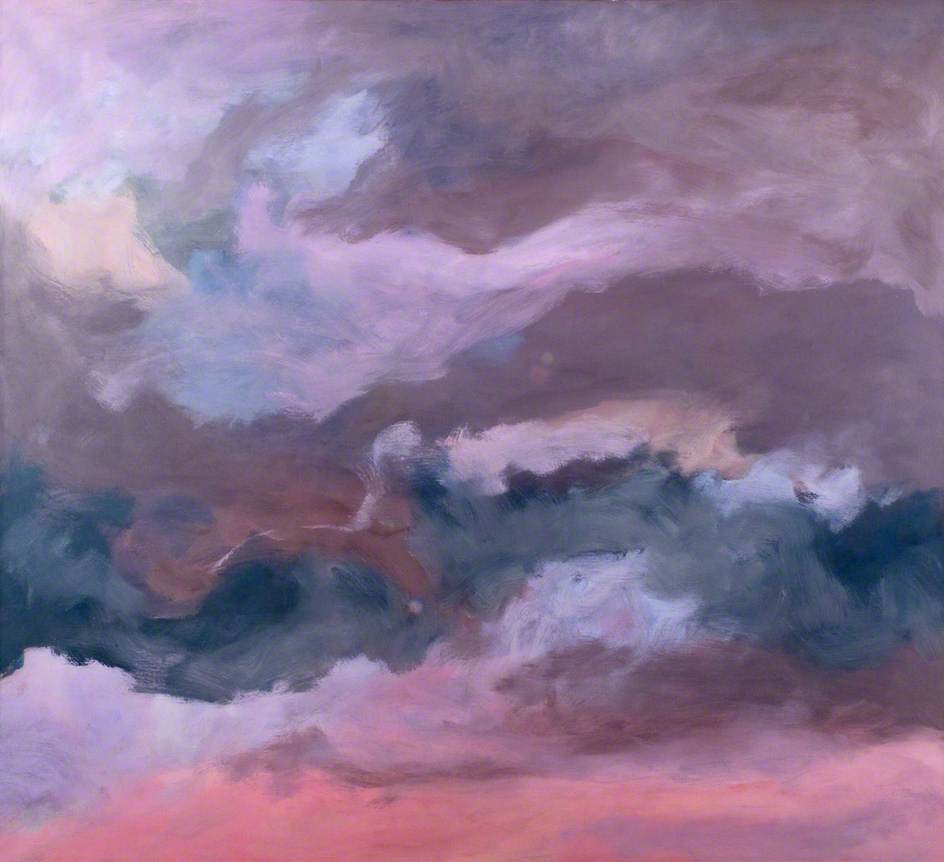
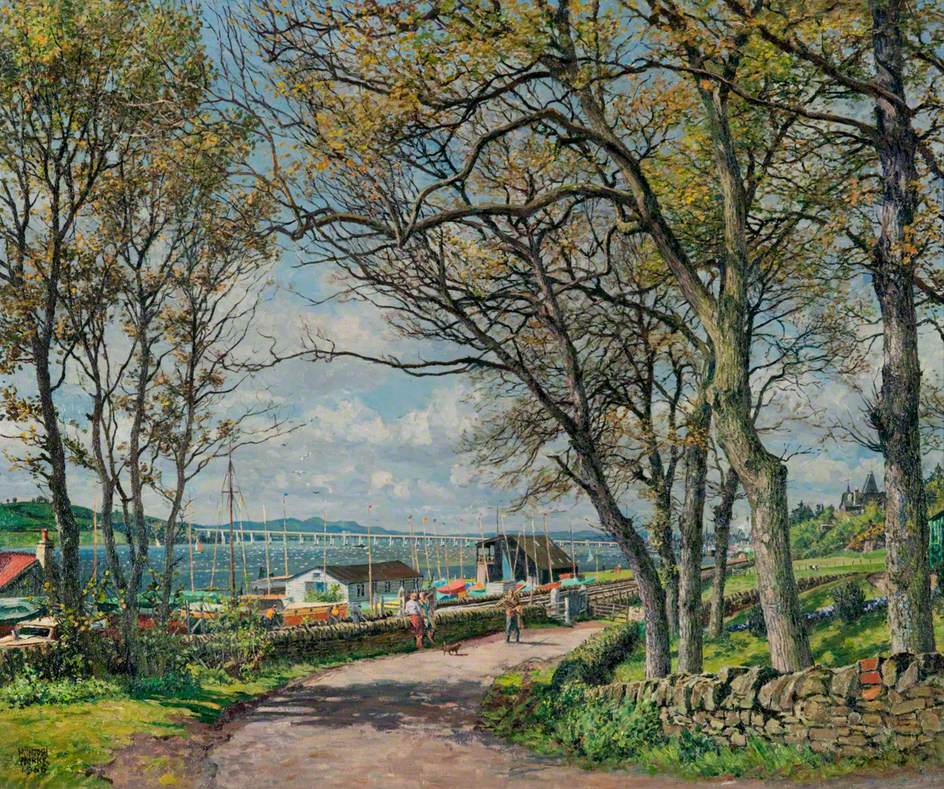
This week I visited Dundee’s McManus Art Gallery and Museum to see the exhibition A Weather Eye. I got to it late. It finishes on Sunday 11/5/25: tomorrow!
Each painting was accompanied on its information board by a Scots word to do with weather or the image depicted.
The quality and interest of course varied.
My highlights were:-
Island by James Howie; accompanied by the word ‘loom’.
Alec Grieve’s Sunset on the Tay; ‘gloamin’.
Storm at Sea Remembered by Jon Schueler; ‘doister’.
The Tay Road Bridge by James McIntosh Patrick; ‘braw’.
Stanley Cursiter’s Rain on Princes Street; ‘evendoon’.
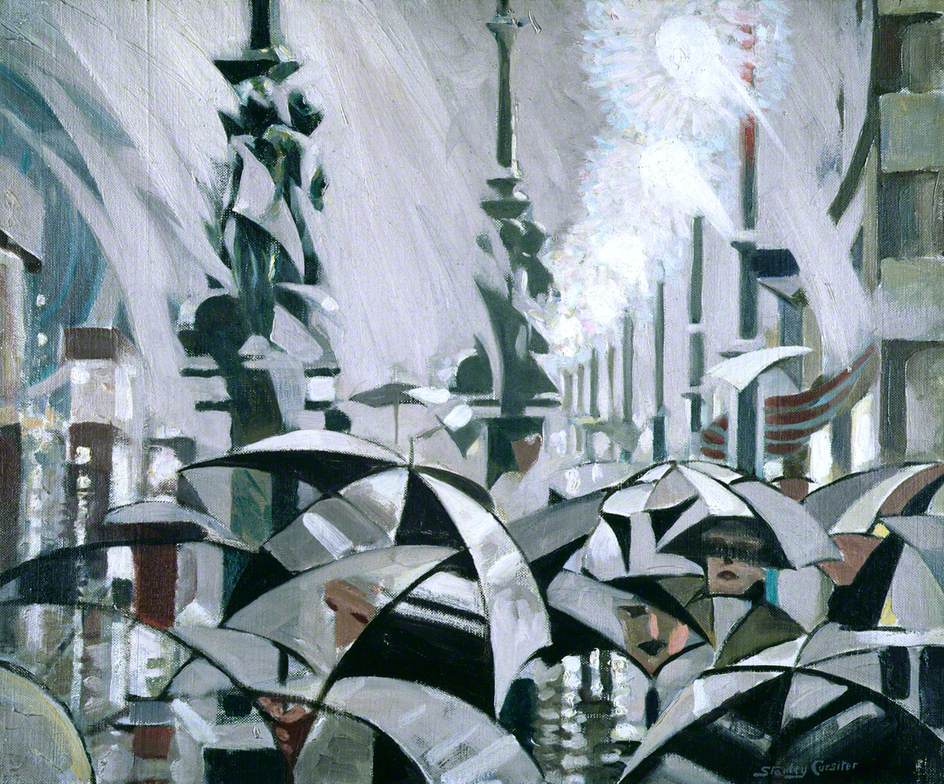
The above were all available to look at on the website Art UK.
The one below wasn’t; so here’s my photo of it.
William Cadenhead’s New Snow, Catlaw; ‘owerblaw’.

2 Comments »
Posted in Art, Trips at 12:00 on 3 April 2025
Coendersborg is a country estate in the village of Nuis in the Dutch province of Groningen.
Estate house:-

The hall:-

Painting in above photo:-

Fireplace in another room:-

Latin motto on a wall:-

Painting of house:-

1 Comment »
Posted in Architecture, Art, Glasgow at 12:00 on 27 February 2025
Wall plaque (which looks like a design by Margaret Macdonald Mackintosh, wife to Charles Rennie Mackintosh):-

Upper Level:-


Fireplace, upper level:-

Seating, upper level:-

No Comments »
Posted in Art, Sculpture, Trips at 12:00 on 12 January 2025
Among other exhibits there are of course many prieces by Hepworth herself at The Hepworth Wakefield.
These are typical Hepworth sculpted forms:-


To left and centre; Two Forms and Three Oblique Forms:-

To right above; Three Hemispheres:-

Maquette for Sculpture for Waterloo Bridge:-

Winged Figure:-

No Comments »
Posted in Architecture, Art, Modern Architecture, Sculpture at 12:00 on 11 January 2025
We had an overnight stop at Wakefield on the way back up from Bath so that we could go to The Hepworth Wakefield. It was built in commemoration of artist/sculptor Barbara Hepworth who was born in the town. As well as many of her works it now houses the municipal art collection started in 1923.
The building stands by the River Calder and was designed by British architect David Chipperfield.

From over River Calder:-

From walkway over the river:-

Entrance and rear:-

I took a video of the weir from the main road bridge:-
1 Comment »
Posted in Art, Exhibitions at 12:00 on 22 September 2024
During the Great War Lavery was commissioned as a war artist. Several of his war paintings are on display at the Lavery on Location Exhibition at the Scottish National Gallery.
Mine-Laying Submarines Harwich 1917:-

Hendon 1917. Hendon was a Royal Flying Corps training base. I really liked this as I’m a sucker for biplanes:-

More sombrely this is The Cemetery, Étaples:-

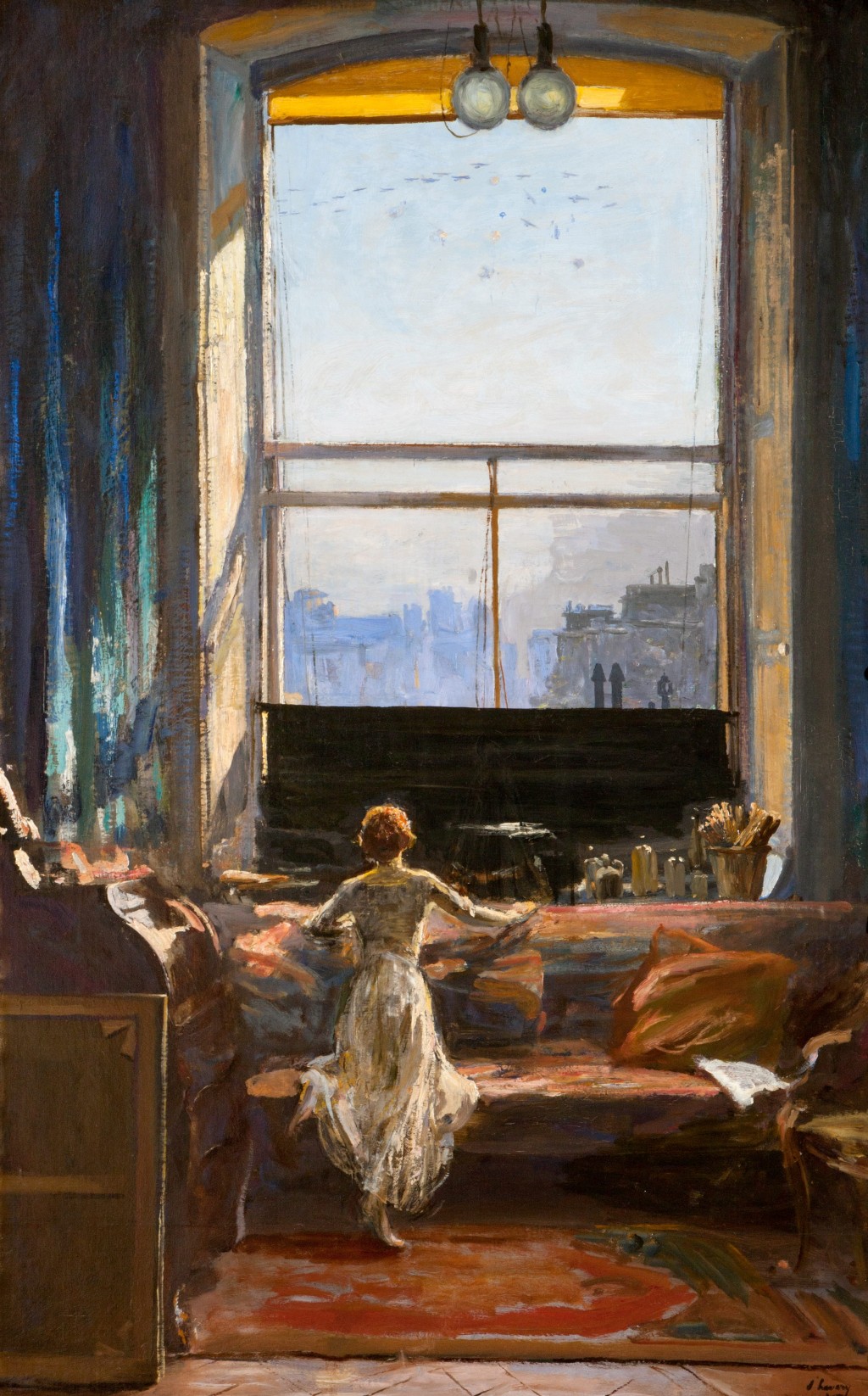
Daylight Raid from my Studio:-
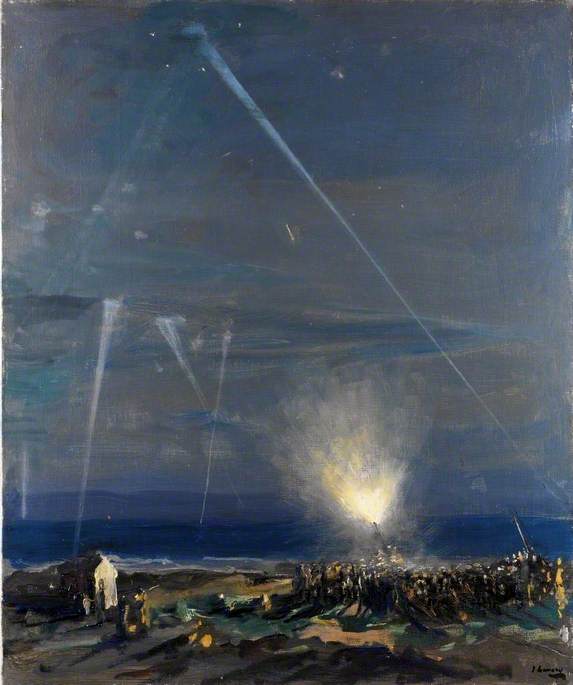
A Coast Defence. An 18-Pounder Anti-Aircraft Gun, Tyneside:-
Lavery was almost alone in portraying those who became casualties. Wounded, London:-

More of Lavery’s works can be seen on the Ulster Museum’s website, here.
No Comments »
