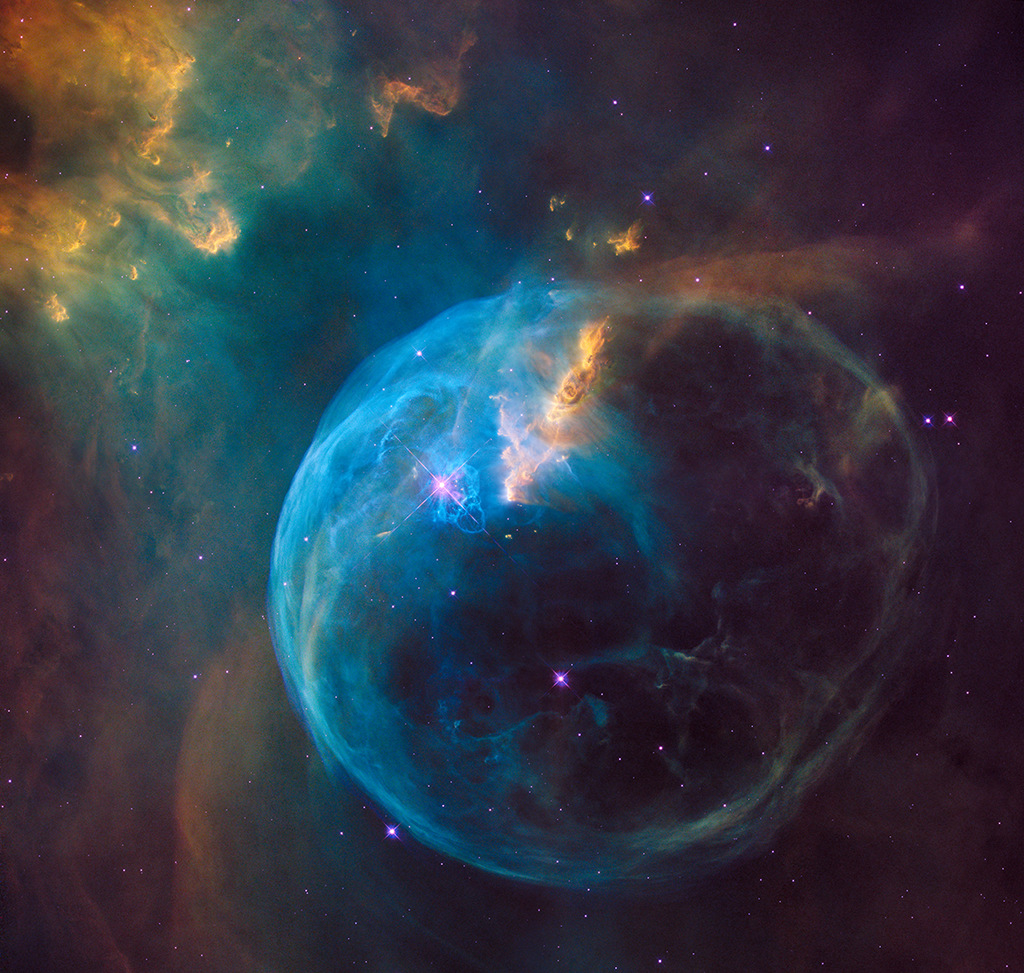
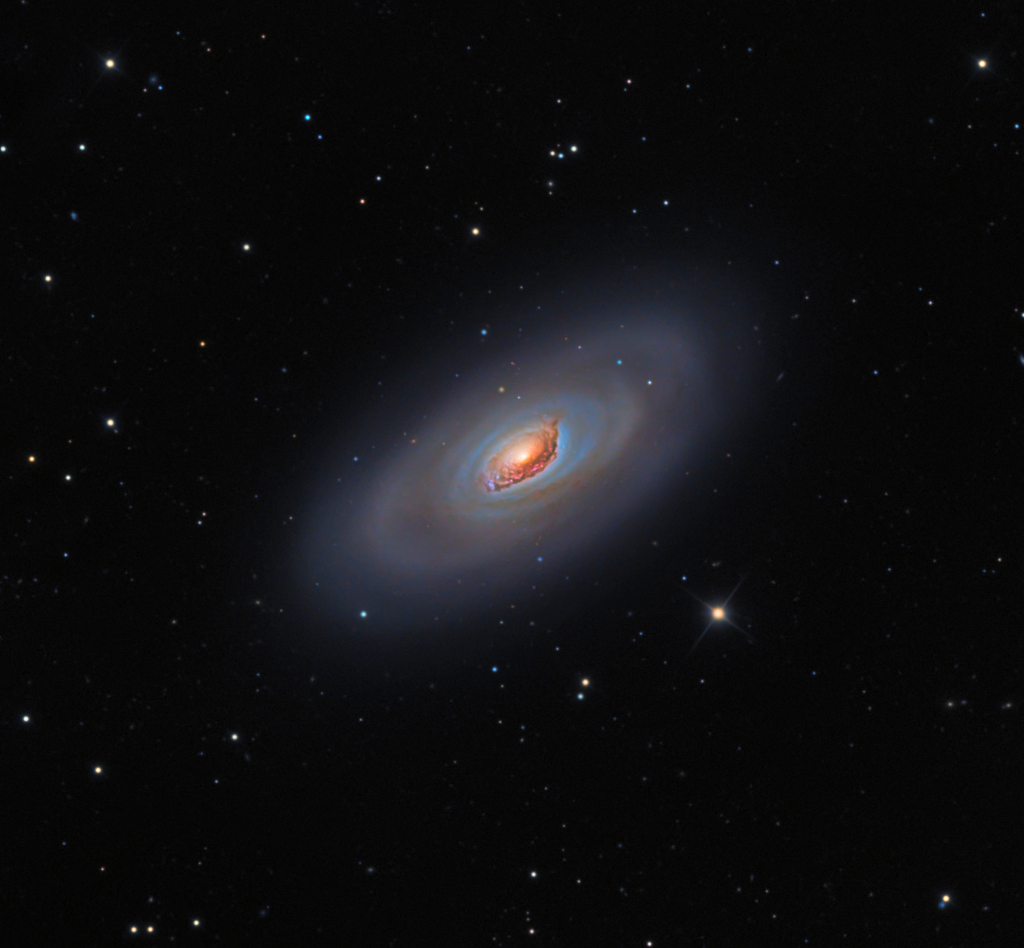
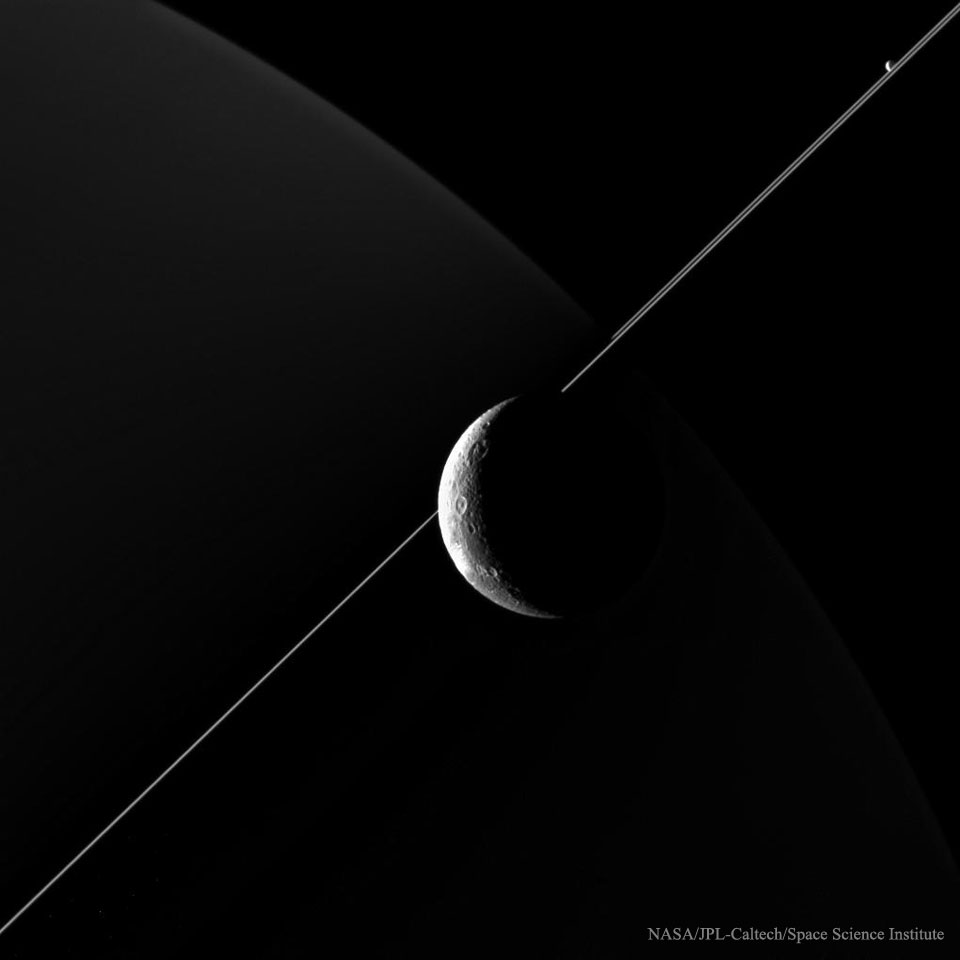
This NASA image made from assigning colours to three monochromatic photos taken through the Hubble Telescope was Astronomy Picture of the Day for 22/4/16.
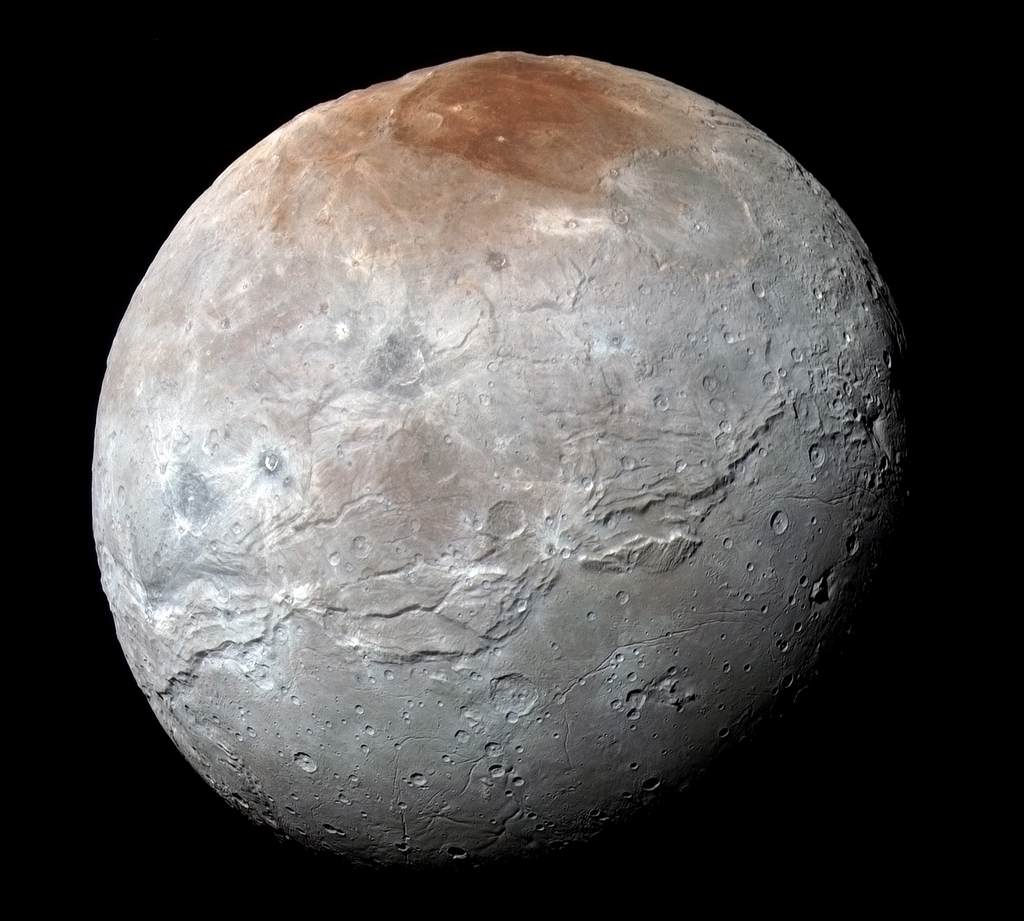
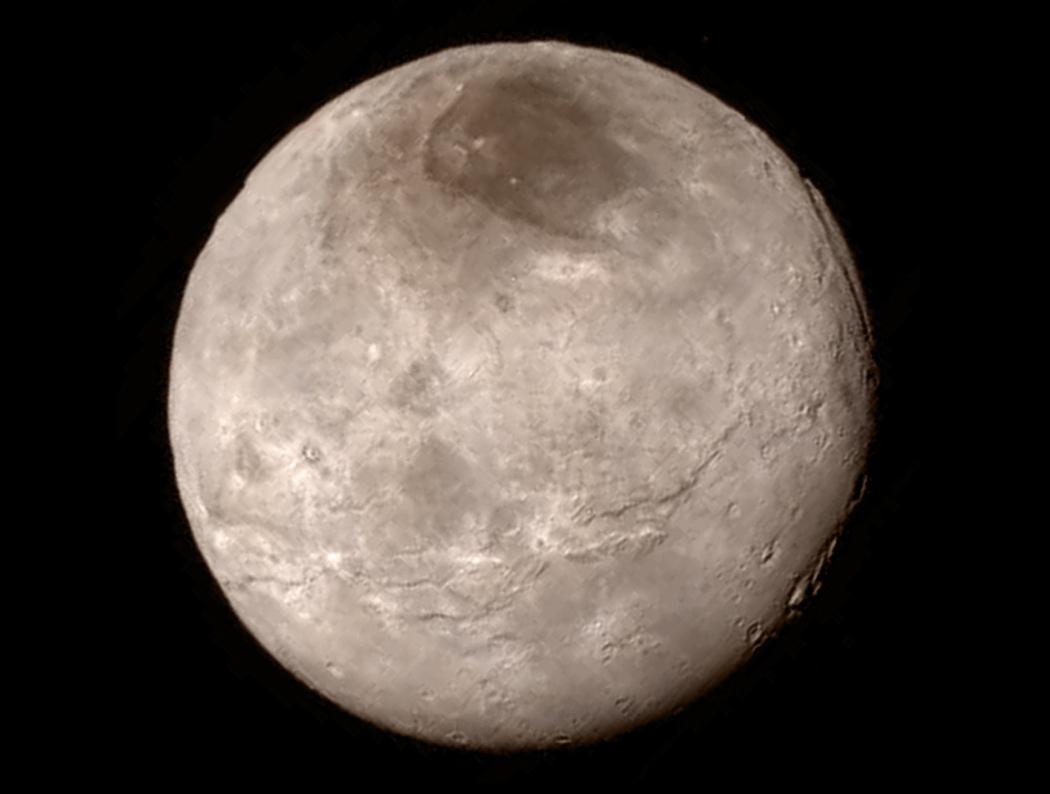
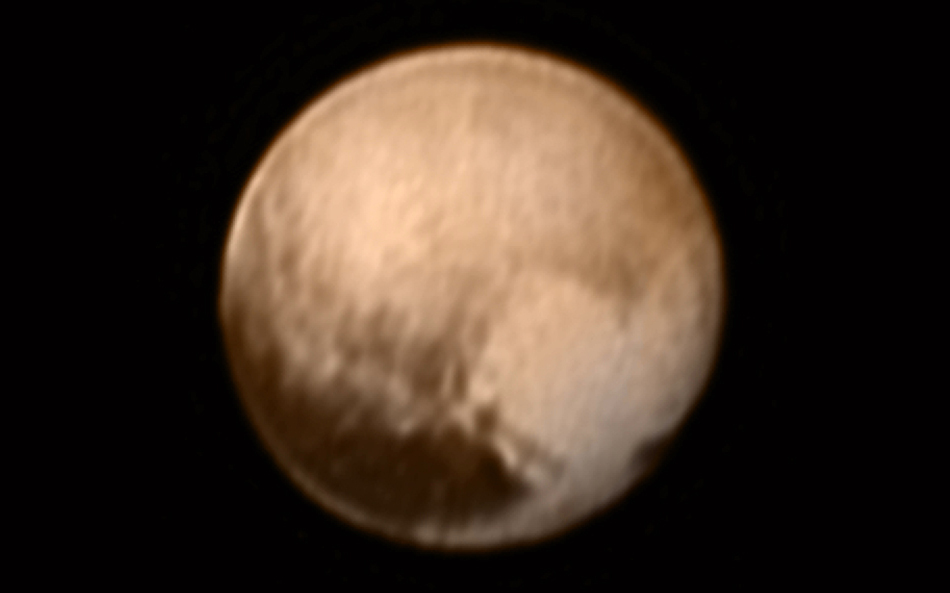
Astronomy Picture of the Day yesterday had a stunning view of Pluto’s moon Charon as taken by the New Horizons probe. The moon looks oddly lop-sided, probably due to the shadowing on its side pointing away from the sun:-
That’s a big fissure running right across its middle.
It hasn’t taken NASA long to get this New Horizons flyby sequence of Pluto up on You Tube:-
And on Astronomy Picture of the Day on 17/7/15 was this photo of Pluto’s largest moon Charon.
Wonderful stuff.
Every single time spaceprobes have gone to somewhere as yet unexplored they have yielded unexpected results. This time the youth of Pluto’s surface was a surprise.
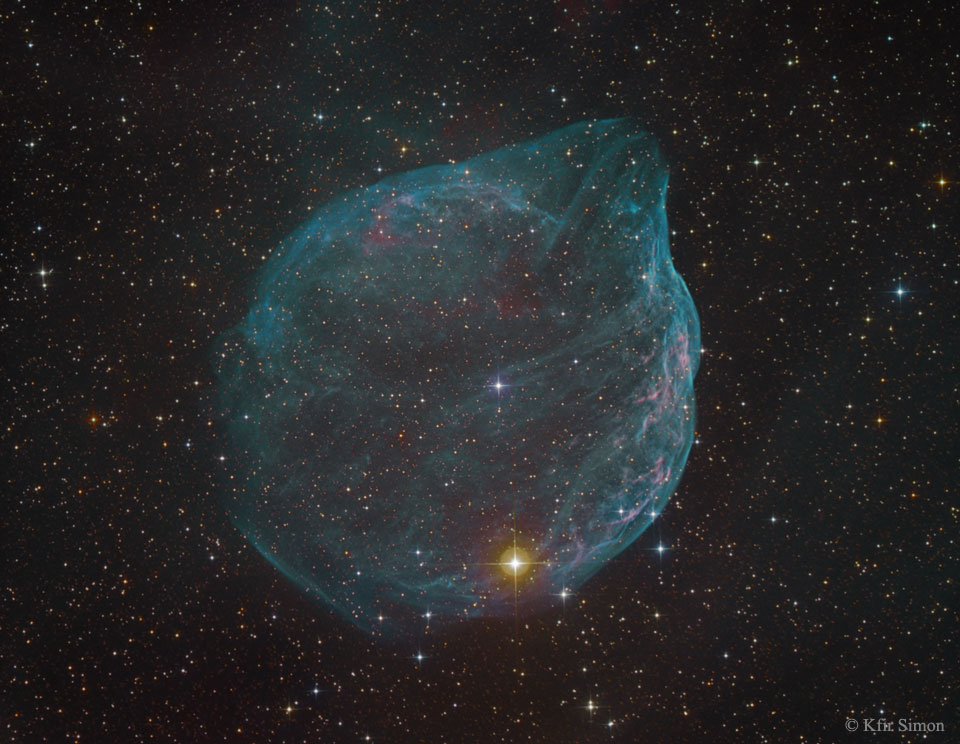
On 23rd Jun there was this star bubble round Sharpless 2-308:-
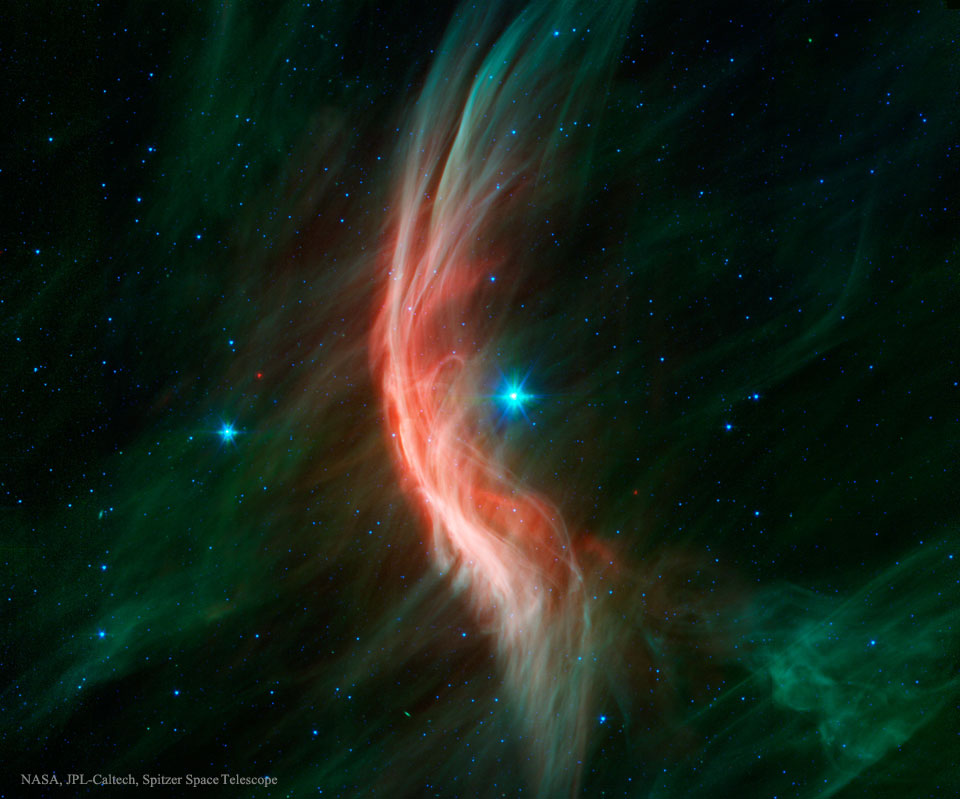
This is a picture of Zeta Ophiuchi (Jul 5th) which is travelling to the left at 24 kilometres per second thus causing the bow-shock in the interstellar dust as shown:-
Apparently on Monday an asteroid passed very close to the Earth-Moon system, just over three times the Earth-Moon distance away. NASA’s Deep Space Network antenna array tracked it by radar.
There’s a video of this on the JPL site. The moon is clearly visible. Astounding stuff.
A movie showing liquid on the surface of a world other than Earth?
Yes indeed. This is Saturn’s moon Titan and its methane/ethane lakes in a digital compilation of still radar images from NASA’s Cassinni satellite. The liquid is deep blue, the higher land tan coloured.
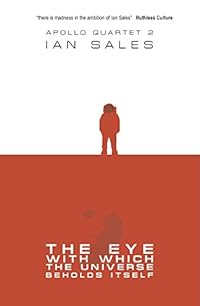
This is the second in the Apollo Quartet, the first of which, Adrift on the Sea of Rains, has just won the BSFA Award.
Once again we have an Altered History. Here, Alexei Leonov was the first man on the Moon but the Russians quickly gave up going there to concentrate on Space Stations. Our hero, Brigadier General Bradley Elliott, USAF, though, was the first â and only – man on Mars, in 1979. What he found there drives the plot as he is recalled to NASA twenty years later to undertake a faster than light trip to Gliese 376 to investigate what has happened to the colony there.
As in Adrift, there are two strands interleaved with each other (which is not unusual) and tricks with typography but again the Glossary which follows rounds out the tale – even if one part of it appears to contradict a piece of dialogue in the text. That latter could have been a deliberate misdirection, though and a Coda explaining the central conception and the FTL drive is a less successful addition to the formula.
With his utilisation of the glossary Sales seems to have found a new way to tell the space exploration story. It is of course a species of info dumping but he has arguably turned the necessity into a strength.
He is very good on the nuts and bolts of space travel, especially if you can thole the alphabet soup of NASA terminology. A list of abbreviations is given to help with this. Elliott is a complex enough figure though the other characters are less fleshed out; but in an 80 page book only 47 of which are actual story it could hardly be otherwise.
Its an animation using images and height data from NASA’s Dawn mission to give an illusion of overflying the minor planet (or asteroid as they used to be called) Vesta.