Posted in Architecture, Trips at 12:00 on 17 December 2015
I mentioned in passing last year that we had visited Blenheim Palace on our way back from the Netherlands.
The Palace was in effect a gift from a grateful nation to John Churchill, first Duke of Marlborough, in recognition of his military victories in the War of the Spanish Succession, though the money to build it soon ran out.
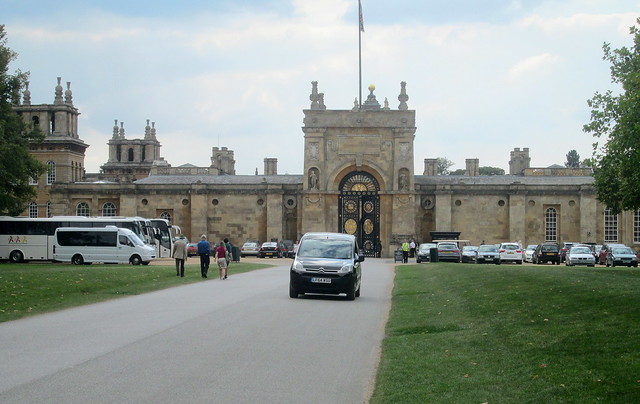
View from car park. This shows the side of the Palace:-
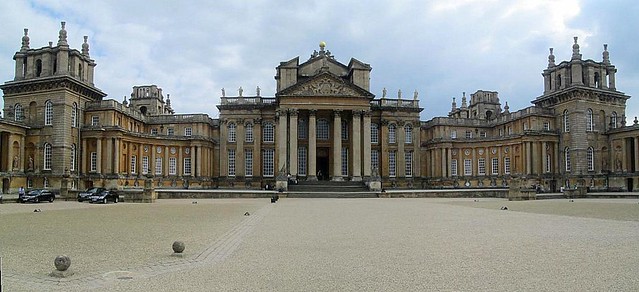
Main Entrance to the Palace:-
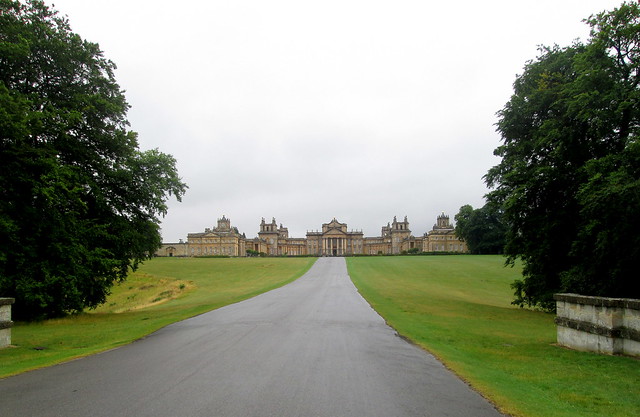
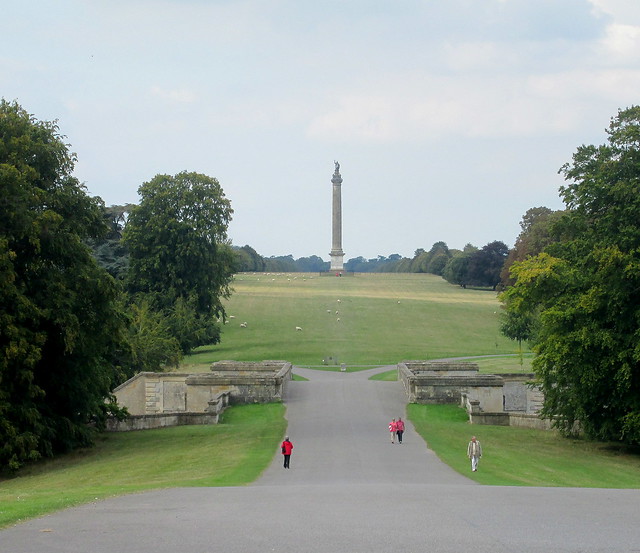
From the driveway to the Marlborough Monument:-
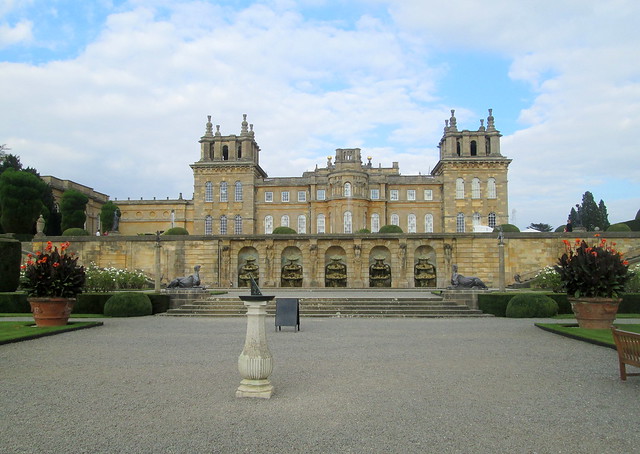
From the formal garden:-
Marlborough Monument from the driveway:-
No Comments »
Posted in History, Reading Reviewed at 18:00 on 21 April 2010
Collins, 1974. 162p
I bought this book at a library book sale several years ago because I knew virtually nothing about the War Of The Spanish Succession apart from the names of the main battles involving the British* Army – Blenheim, Ramillies, Oudenarde and Malplaquet (some of which later came to grace Royal Navy ships) – and Southeyâs famous poem.
The political and strategic options facing the Duke of Marlborough at the outset of his 1704 campaign are set out somewhat baldly. Marlboroughâs boldness – bordering on recklessness – in making his march to the Danube from the Low Countries is emphasised. He was astute in making good provision for his soldiers and his order that they not ransack the countryside through which they marched but pay for any food they required was unusual for his times as were his pains to provide care for his wounded. It was his talent for misdirection, both strategic and tactical, – even to the extent of misleading his allies – which marks him out as an outstanding general, though.
The Battle of The Schellenberg at Donauwörth which preceded Blenheim is presented by Green as an example of Marlboroughâs decisiveness as, rather than institute a long siege, he ordered an immediate assault on the fortification, which, though bloody, succeeded. The remainder of the oppositionâs local forces being reluctant to fight Marlborough then ordered the plundering of his Bavarian enemyâs lands to force the issue, but this did not succeed in its aim and the French Marshal Tallard eventually arrived to link up with the Elector of Bavaria. But Marlboroughâs decision to close battle early caught them off guard. His handling of the conflict also drew them into false conclusions about his intent.
The overall treatment by Green is a bit sketchy and sometimes assumes more background knowledge of the times than the casual reader such as myself holds. The Wiki article on the battle – not, of course, available when Green was writing – is as informative.
*Green refers to it as the English army (this was just prior to the Act Of Union, which occurred in 1707) but explains this point.
No Comments »

