Archives » Astronomy

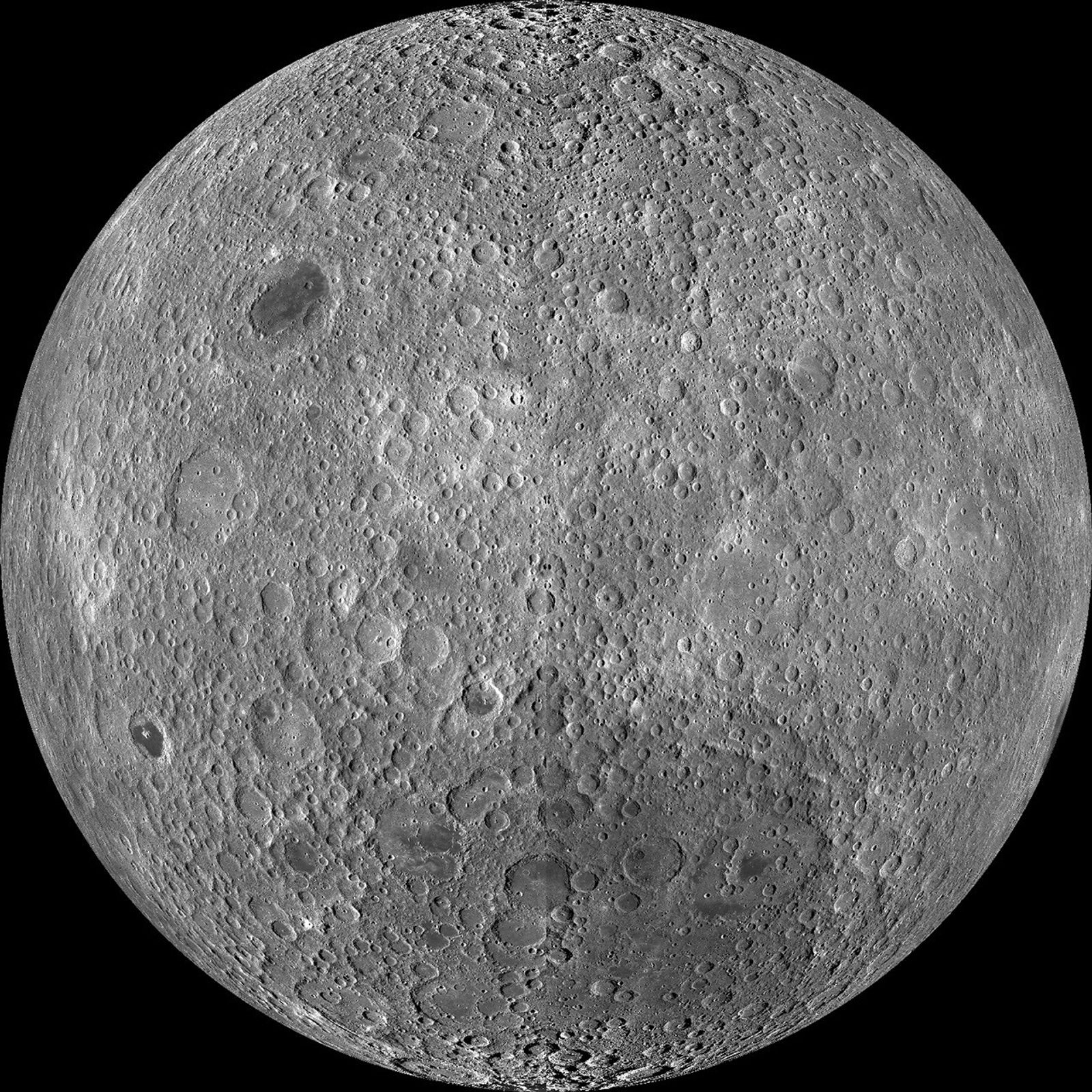
Unusual Moon

I haven’t done an astronomy post for a while. This makes up for that.

The image is from Astronomy Picture of the Day for 10/10/26.

It looks like maybe one of Jupiter’s or Saturn’s moons:-

A mosaic image of the farside of the Moon.

It is in fact our own Moon but a view we don’t normally see.

This is the lunar far side.

With no maria and apparently many more craters it’s very different from the familar picture of our nearest celestial neighbour.

Crab Nebula and Pulsar

As featured in Astronomy Picture of the Day for 24/8/25.

The Crab Nebula as seen in visible light from the Hubble Space Telescope (purple,) X-ray light as imaged by the Chandra X-ray observatory (blue) and infra-red from the Spitzer Space Telescope (red.) The Crab Pulsar is the bright spot in the swirl’s centre:-

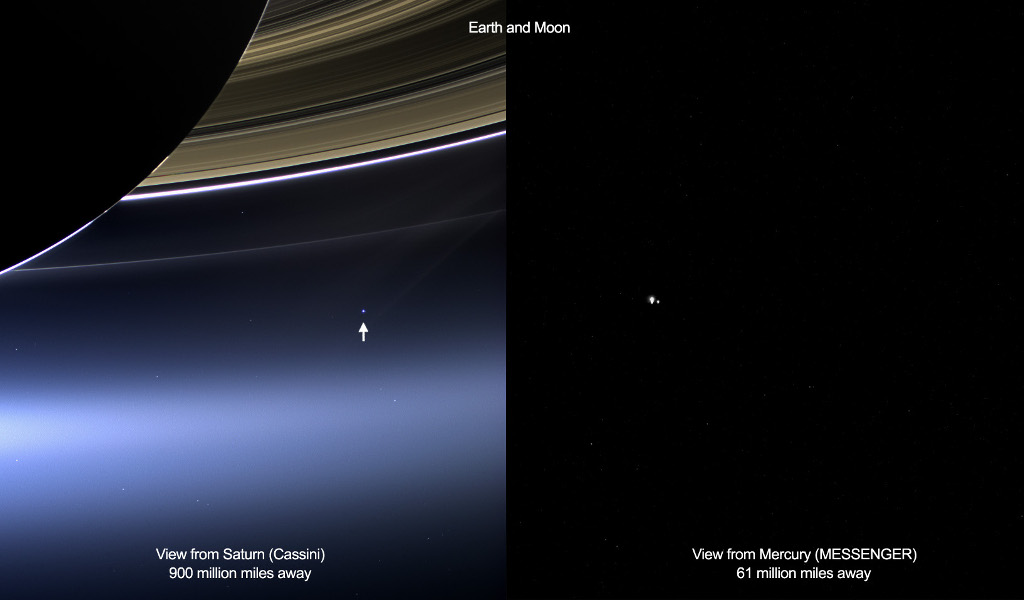
Earth (and Moon) From Space

Far out (as they say) gives a particular view of Earth and its Moon.

Astronomy Picture of the Day on 23/11/24 showed a composite of two photographs of Earth from the vicinity of other planets. A picture taken from near Saturn by the Cassini probe and another from Mercury orbit taken by Messenger:-


Such a small dot in a big universe.

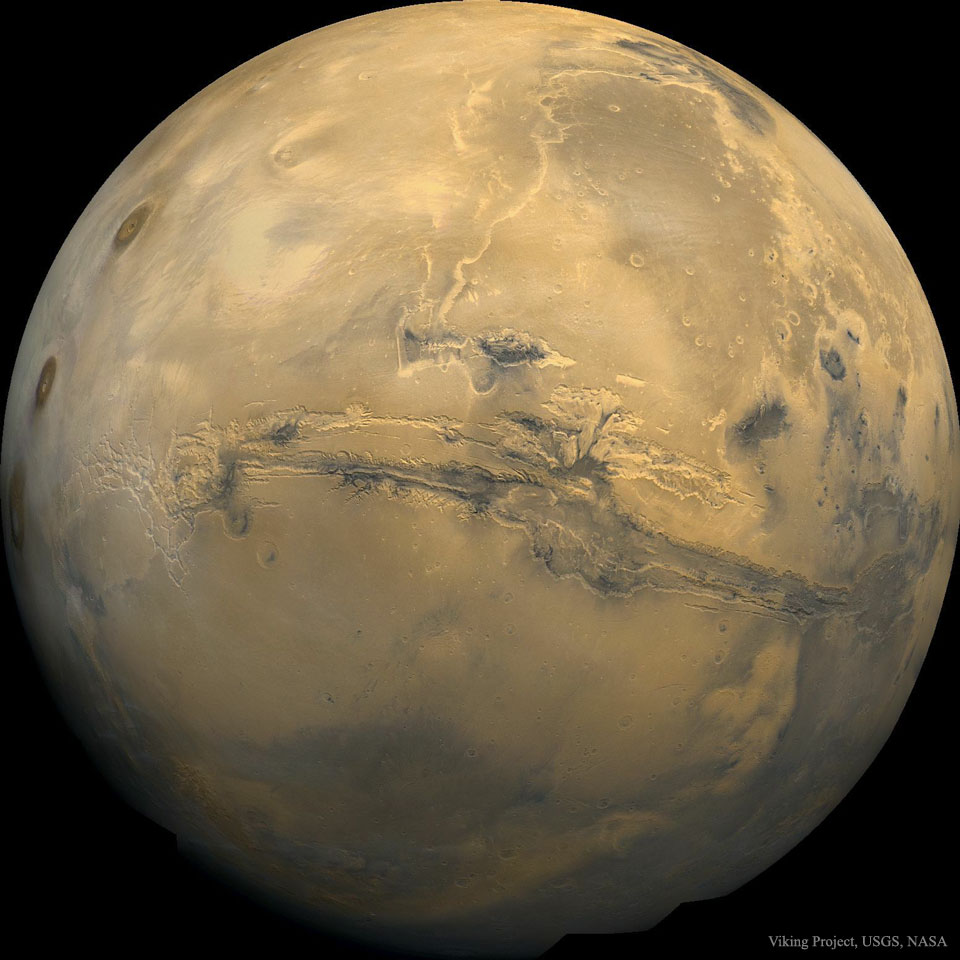
Valles Marineris

I never tire of seeing pictures of this feature of the surface of Mars. Valles Marineris, the largest canyon in the Solar system. This one was taken by NASA’s Viking probe and was Astronomy Picture of the Day‘s post for 10/12/24.

A Solar Prominence in Motion

Imagine the violence of this. A solar prominence erupting in 2011. This time-lapse video covers 90 minutes (one new frame every 24 seconds.) It was captured in ultra-violet light by NASA’s Solar Dynamic Observatory. From You Tube via Astronomy Picture of the Day for 18/8/24.

A Double Moon Eclipse

By which I mean one moon eclipses another.

Neither is Earth’s Moon of course.

Via Astronomy Picture of  the Day for 26/2/24 this is Mars’s moon Phobos eclipsing its other moon, Deimos, as seen by European Space Agency‘s probe Mars Express.

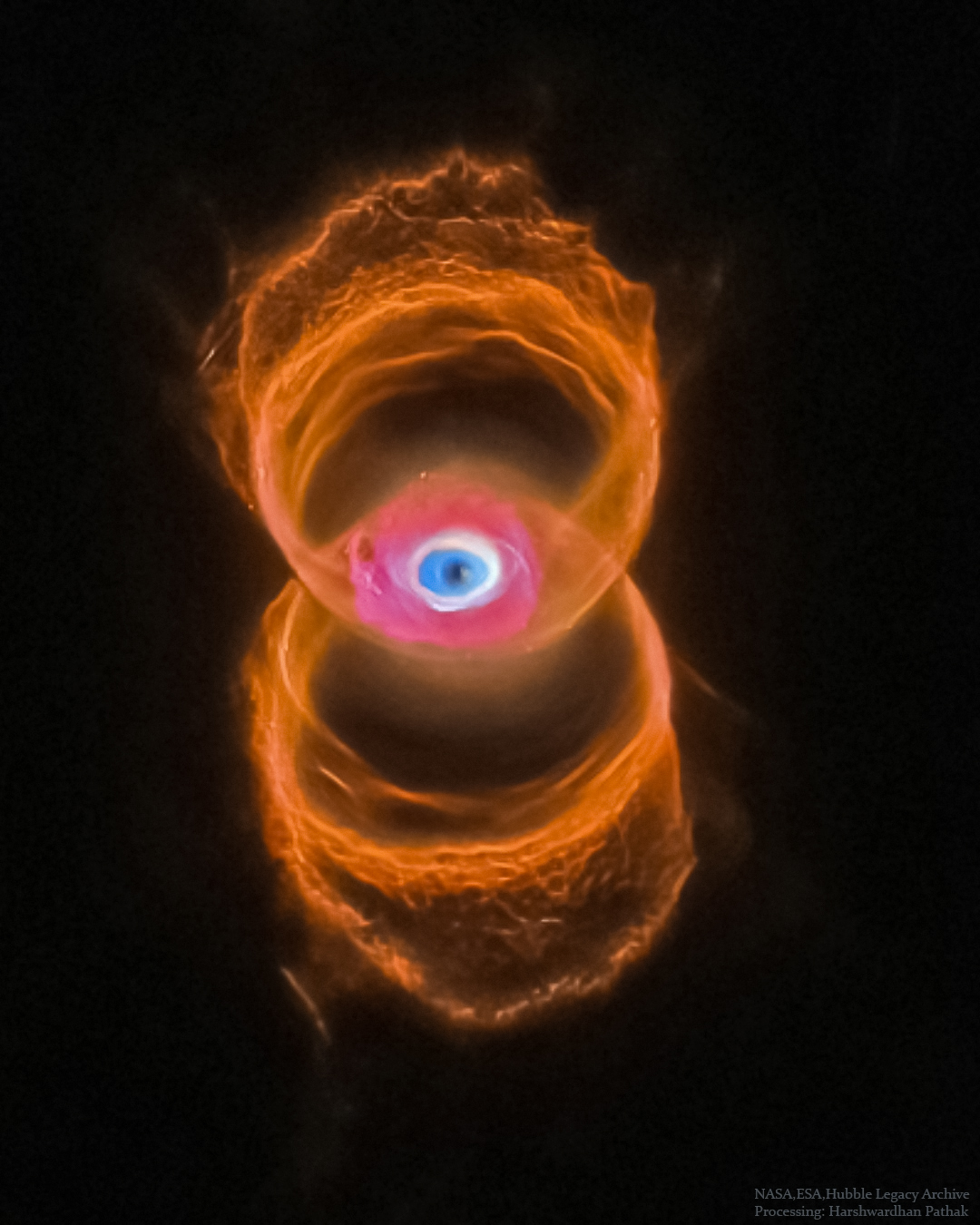
A Spooky Hourglass

From Astronomy Picture of the Day for 3/10/23.

This looks like something you might find in a fairground exhibit,  a ghost train or the like.

It’s in fact a planetary nebula, known as MyCyn 18.


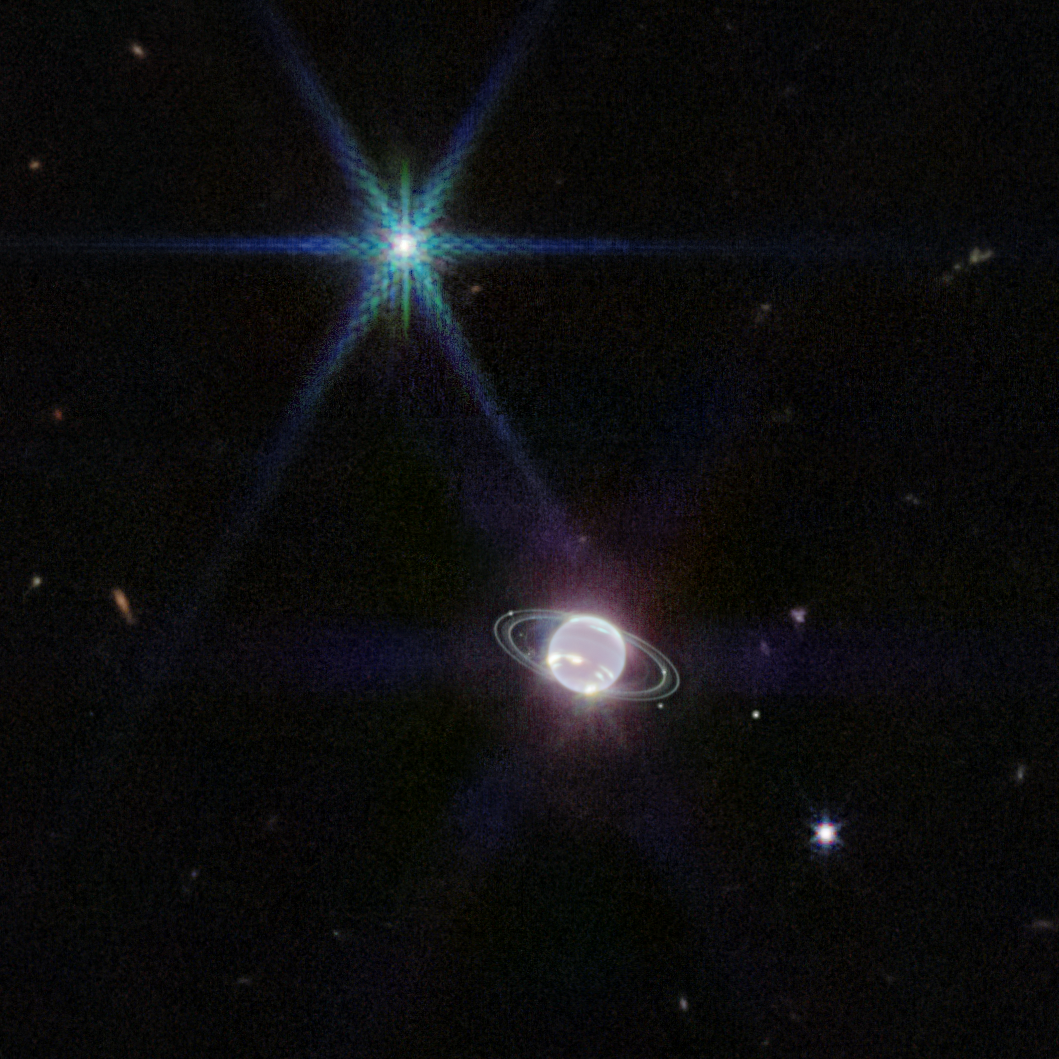
Ringed Planet and Moon

Does this somewhat eerie image, from Astronomy Picture of the Day for 19/8/23, depict Saturn and one of its moons? Or is it even from another solar system?

No. It is in fact the planet Neptune captured by the James Webb Telescope in infra-red light. Its largest moon, Triton, brighter than its primary in reflected sunlight, is at the top left showing the James Webb Telescope’s typical diffraction spikes.
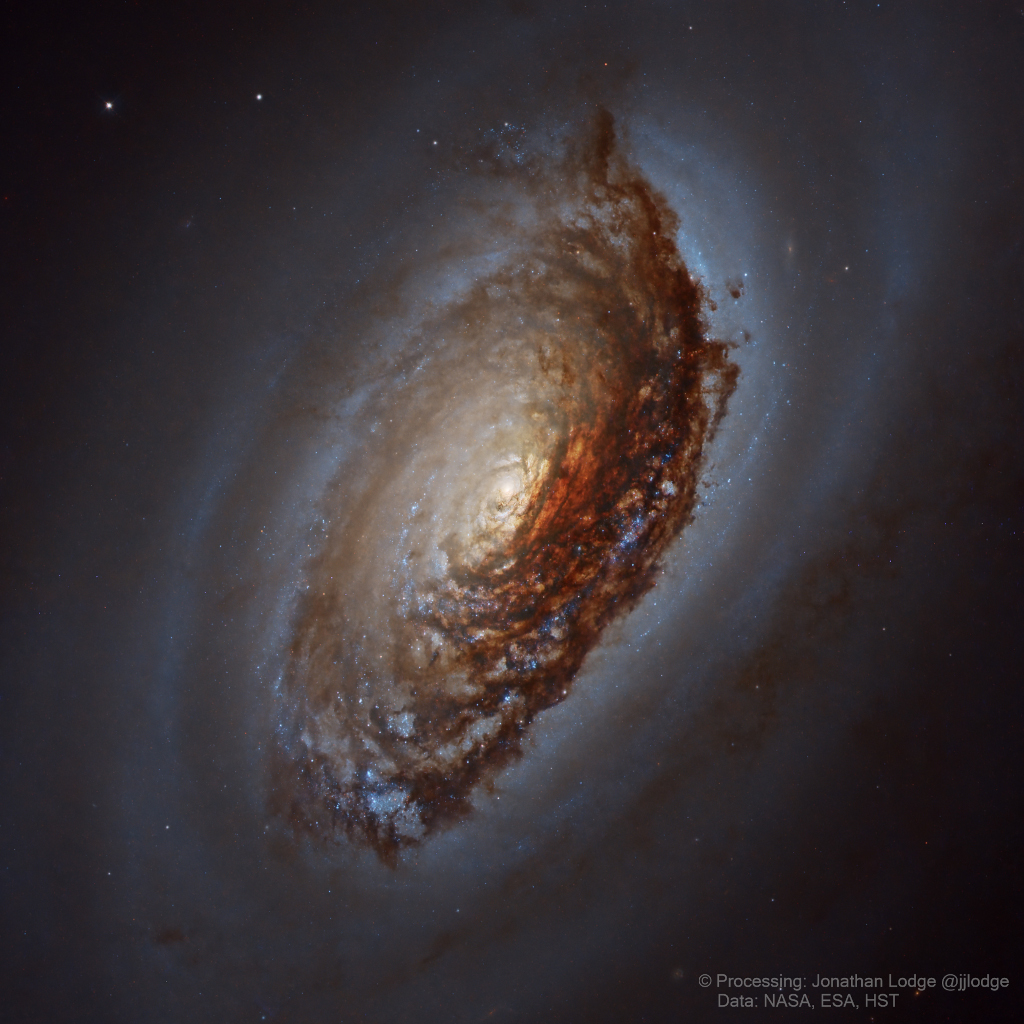
Messier 64

From Astronomy Picture of the Day for 20/7/23.

This is an odd sight. A half and half galaxy. Sometimes called the Sleeping Beauty galaxy or the Black Eye galaxy.

Seemingly the galaxy’s stars are contained in two contrarotating systems, most likely the result of two galaxies merging billions of years ago.

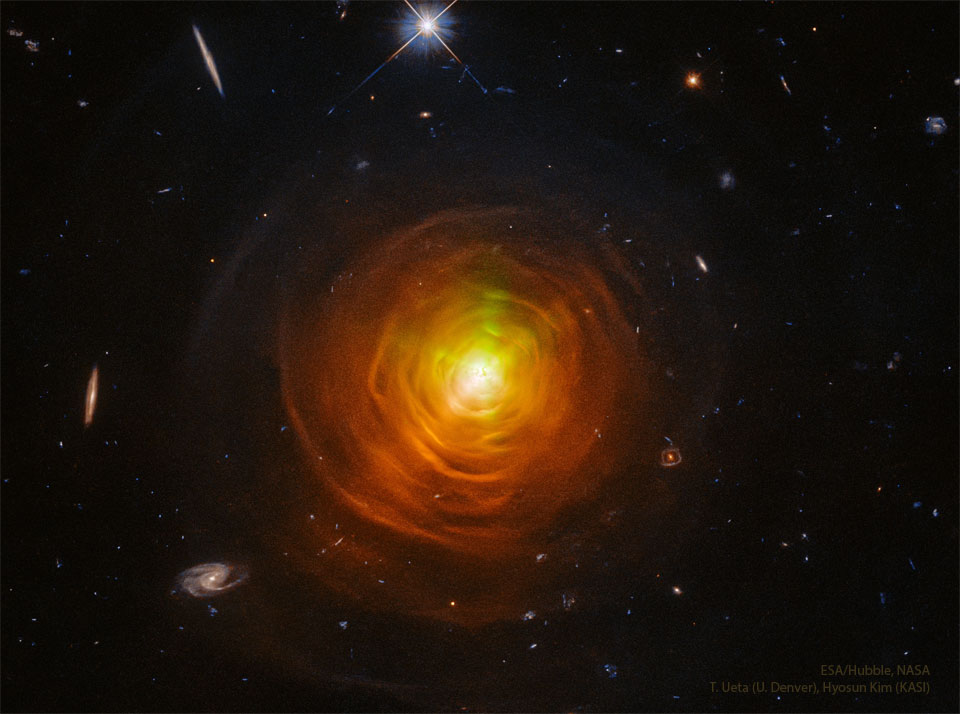
Unusual Shells Around a Star

From Astronomy Picture of the Day for 17/7/23.

This is a view of the star CW Leonis, a carbon star. Those shells and arcs around it are certainly a noteworthy phenomenon.

free hit counter script