Posted in Astronomy at 20:30 on 25 July 2020
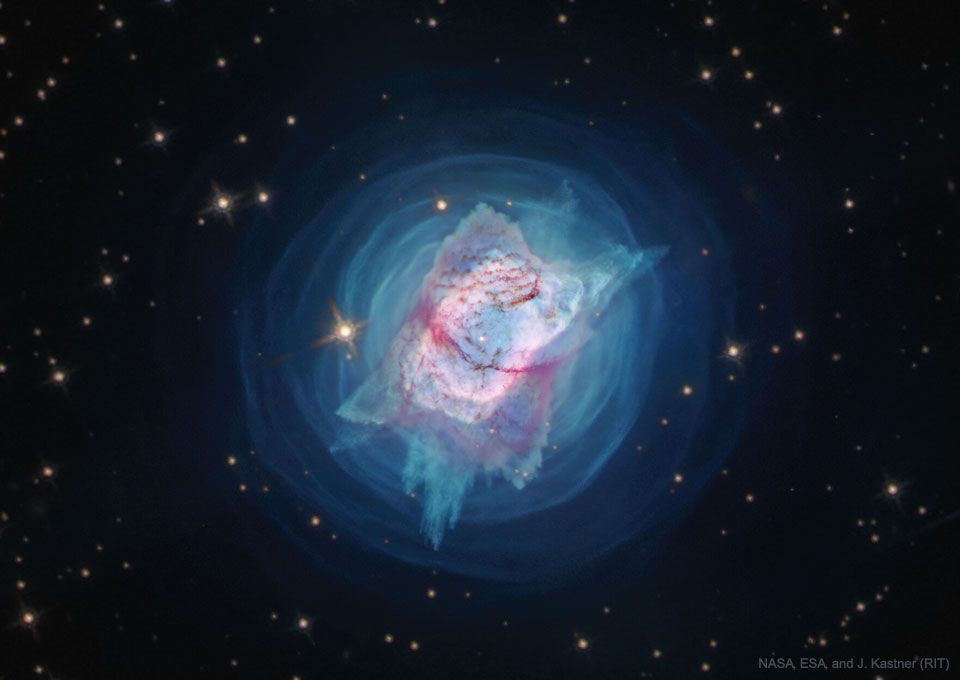
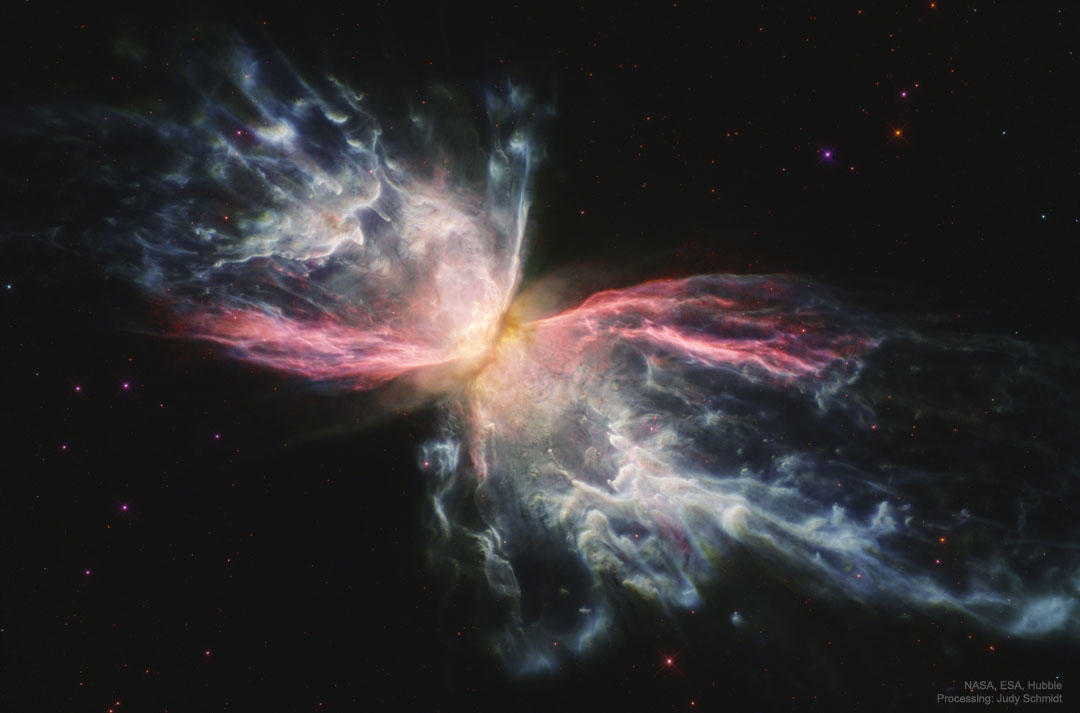
This beautifully detailed photo appeared on Astronomy Picture of the Day for 21/7/20.
It was taken by the Hubble Space Telescope and shows the Butterfly Nebula, NGC 6302, with emissions by iron atoms in red.
No Comments »
Posted in Astronomy at 20:30 on 15 July 2020
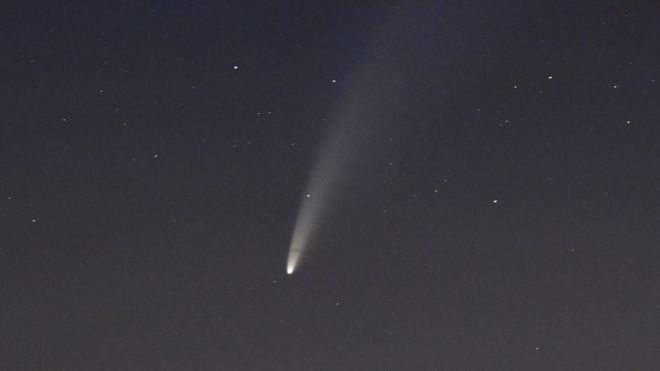
A naked eye comet can be seen in the sky since the beginning of the month. First observed by the NEOWISE space telescope (and hence named after it) on 27/3/2020, it blossomed in brightness on nearing the Sun and became visible to unaided human eyes in July.
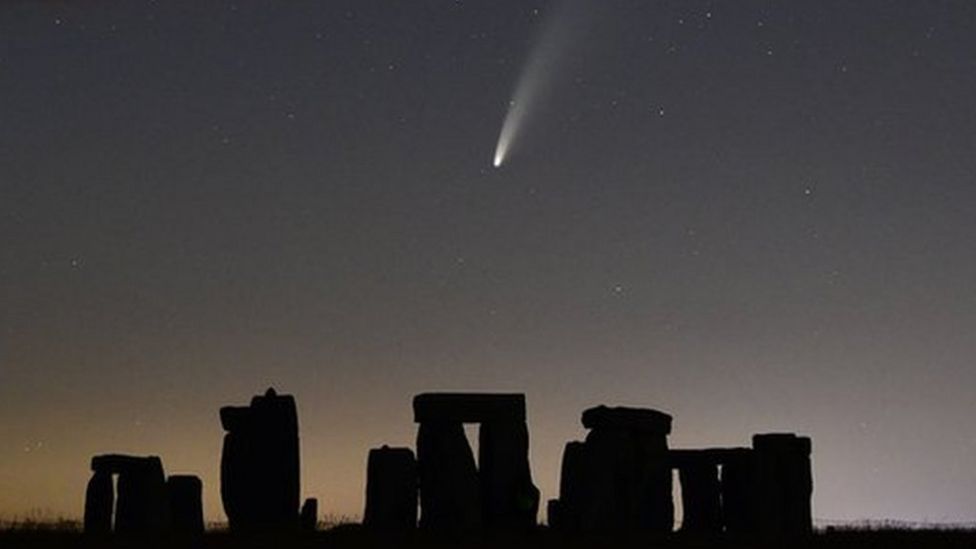
I’ve not observed it myself. It’s been too cloudy when I remembered to look but the photographs have been great – especially the ones with Stonehenge in the foreground.
(Pictures from BBC news website.)
NEOWISE over Stonehenge:-
This is a time-lapse video from You Tube of NEOWISE rising over the Adriatic Sea.
No Comments »
Posted in Astronomy at 20:30 on 4 July 2020
No Comments »
Posted in Astronomy, Fantasy at 20:30 on 25 June 2020
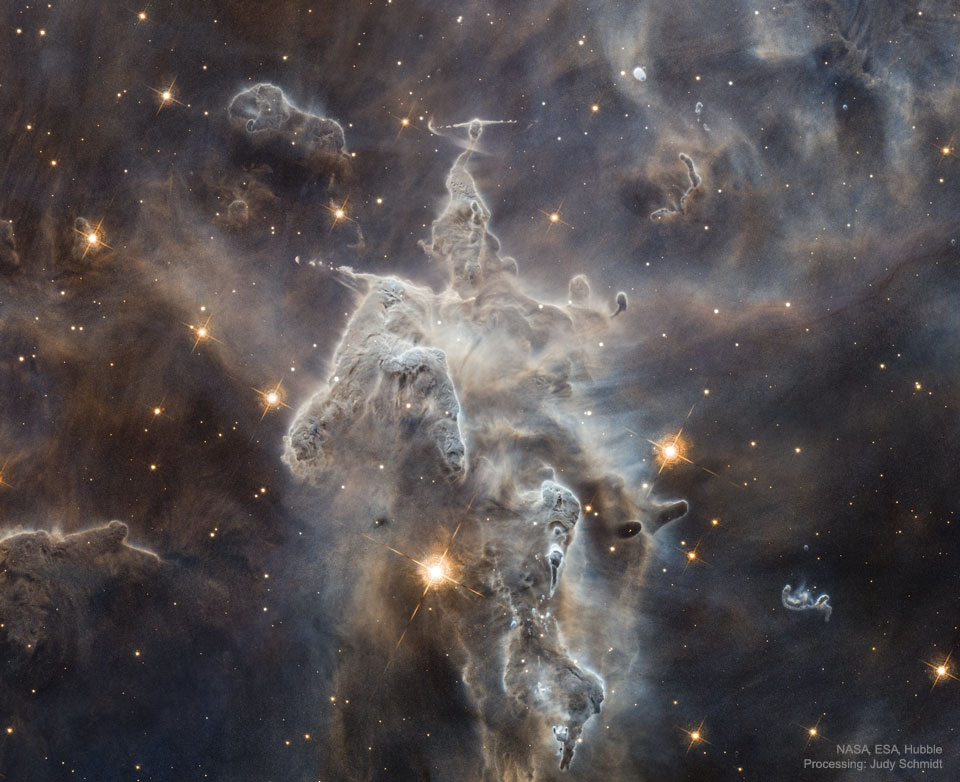
Part of the Carina Nebula as seen in Astronomy Picture of the Day for 25/5/20.
It looks like something from the cover of a Fantasy novel:-
No Comments »
Posted in Astronomy at 20:30 on 14 June 2020
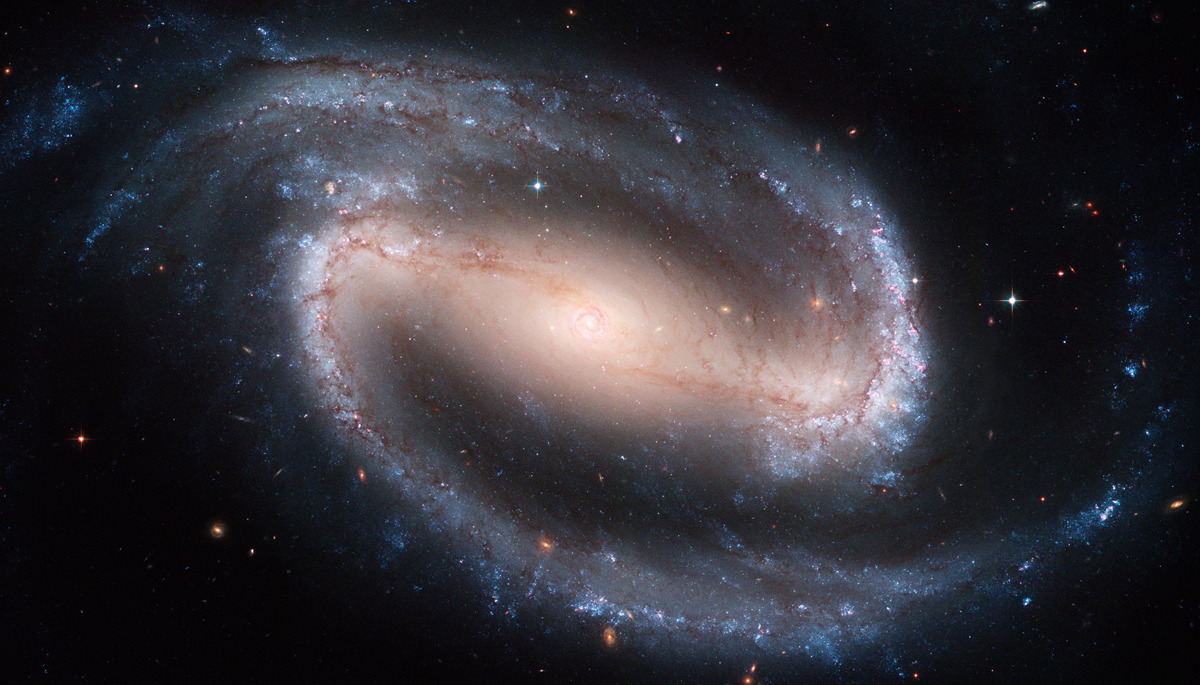
Form Astronomy Picture of the Day for 11/6/20, barred spiral galaxy NGC 1300.
Isn’t it lovely?
No Comments »
Posted in Astronomy at 20:30 on 30 May 2020
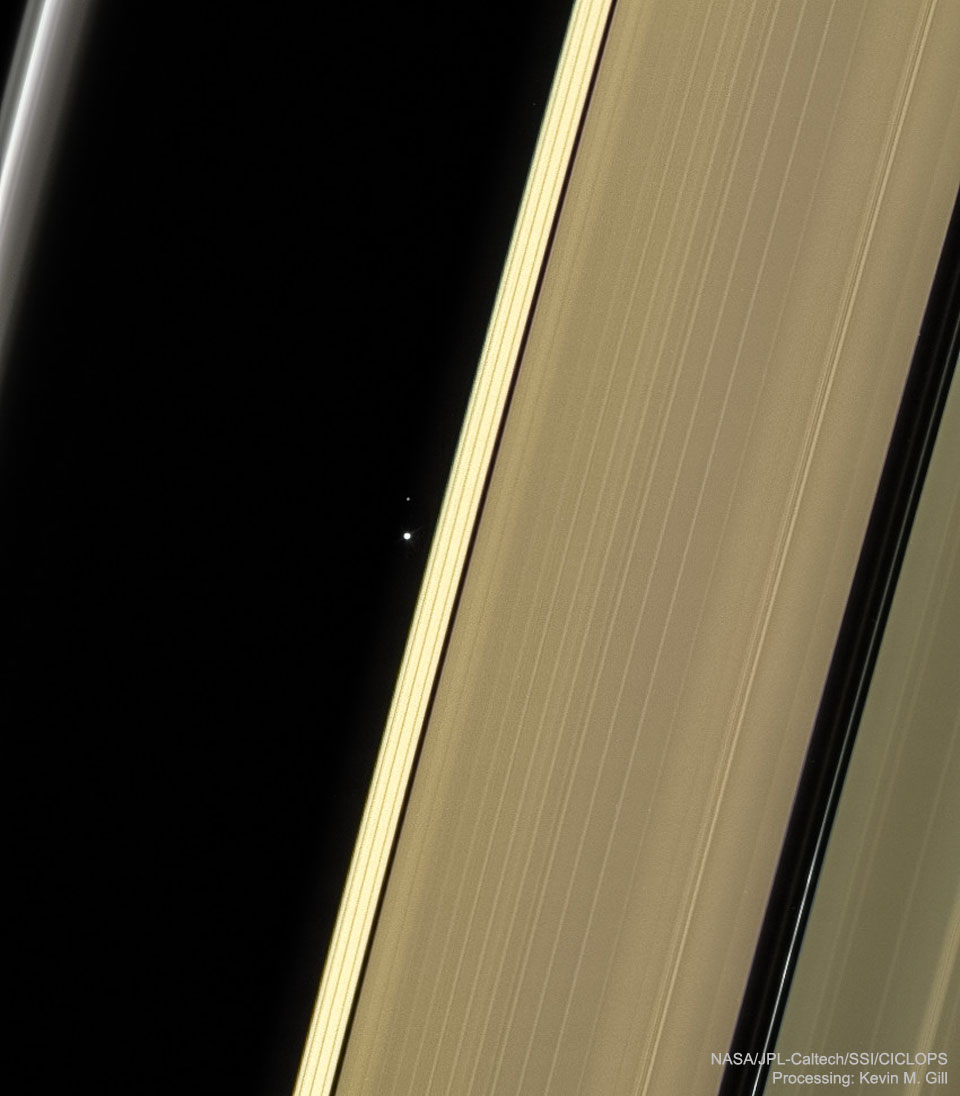
This appears to be an update – or at least a re-angled view – of a picture I posted before.
Astronomy Picture of the Day for 27/5/20, does however show Earth’s Moon better than the previous one:-
No Comments »
Posted in Astronomy at 20:30 on 29 May 2020
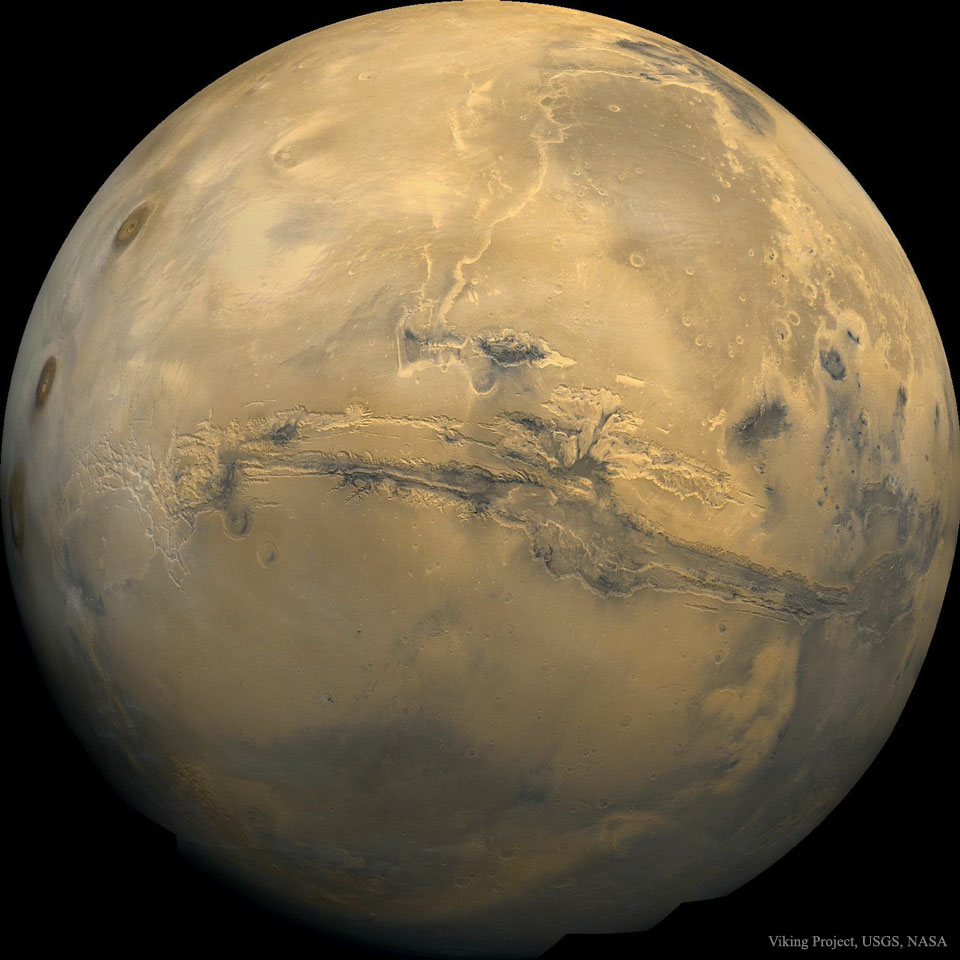
… that we know of, is Valles Marineris on Mars.
It shows up stretching across the centre of Mars in this mosaic image as seen on Astronomy Picture of the Day for 24/5/20.
Valles Marineris is over 3,000 kilometres long, 600km wide and in parts 8km deep. (Compare the Grand Canyon, only 800 kilometers long, 30km across, and 1.8km deep.)
The three round features on the left are the Martian Shield Volcanoes, one of which, Olympus Mons, is the highest mountain in the Solar System.
No Comments »
Posted in Astronomy at 20:30 on 28 May 2020
From The Daily Galaxy today, 28/5/20.
Proxima Centauri b is of course the nearest star to our own sun. The planet – discovered via an update to the HARPS method of plabnet detection known as ESPRESSO – is 1.17 times the size of Earth and orbits its star in 11.2 Earth Days and would be in the habitable zone if the star didn’t deluge it in X-rays. If the planet has an atmosphere though, those might be absorbed.
No Comments »
Posted in Astronomy at 20:30 on 23 May 2020
From The Daily Galaxy for 20/5/20.
The kink in bright yellow may be where a planet is forming. That we as a species can observe such things is mind-boggling.

No Comments »
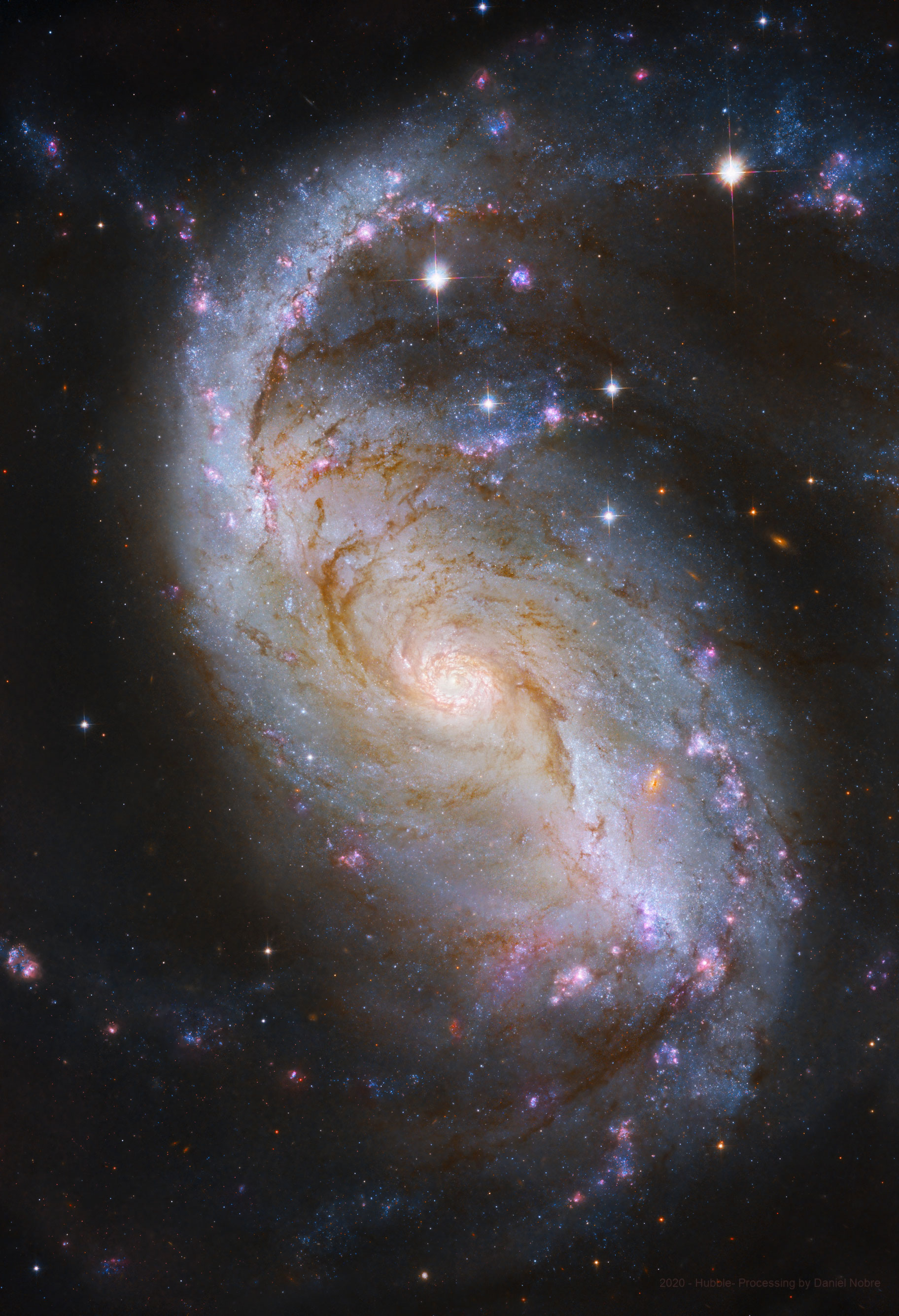
Posted in Astronomy at 20:00 on 9 April 2020
From Astronomy Picture of the Day for 6/4/20.
Barred spiral galaxy NGC 1672.
No Comments »