Posted in Astronomy at 12:00 on 24 October 2019
I love photographs like this.
From Astronomy Picture of the Day for 17/10/19.
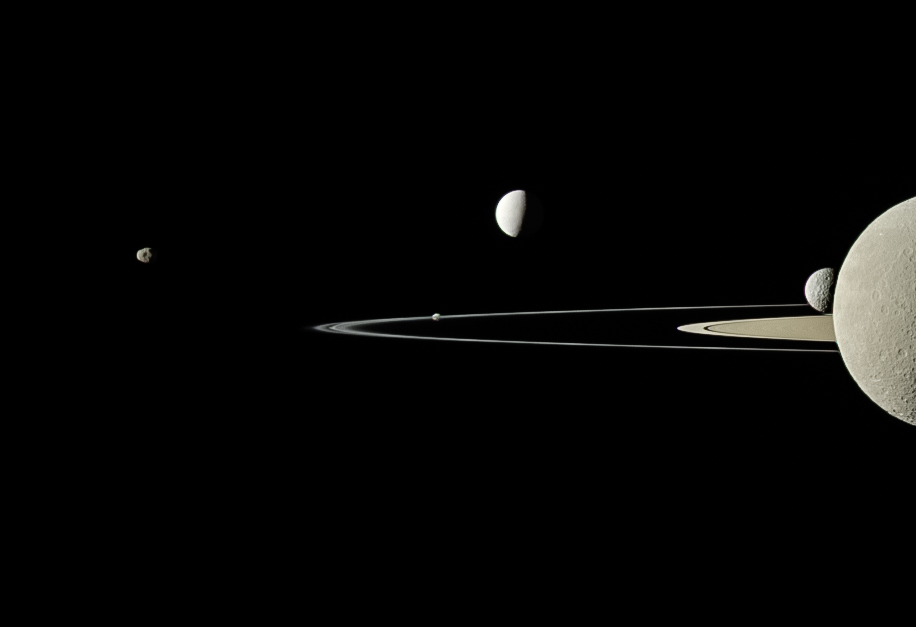
Janus, Pandora, Enceladus, Mimas and Rhea, not to mention an arc of Saturn’s rings almost end-on. Taken by the Cassini probe.
No Comments »
Posted in Astronomy at 12:00 on 18 February 2018
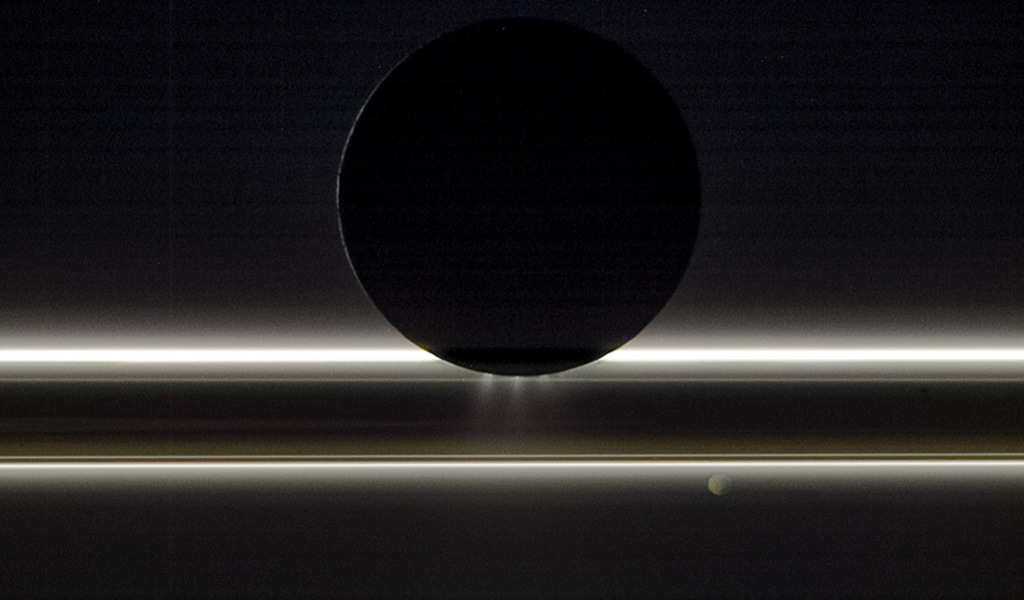
From Astronomy Picture of the Day, for 15/2/18, another wonderful photograph from the Cassini mission to Saturn, this one showing the moon Enceladus outgassing plumes of ice.
At bottom right of middle just below the edge-on rings of Saturn can be seen the small moon Pandora.
No Comments »
Posted in Astronomy at 20:43 on 9 July 2015
Astronomy Picture of the Day was 20 years old on Jun 16th. It has been on a bit of a roll recently.
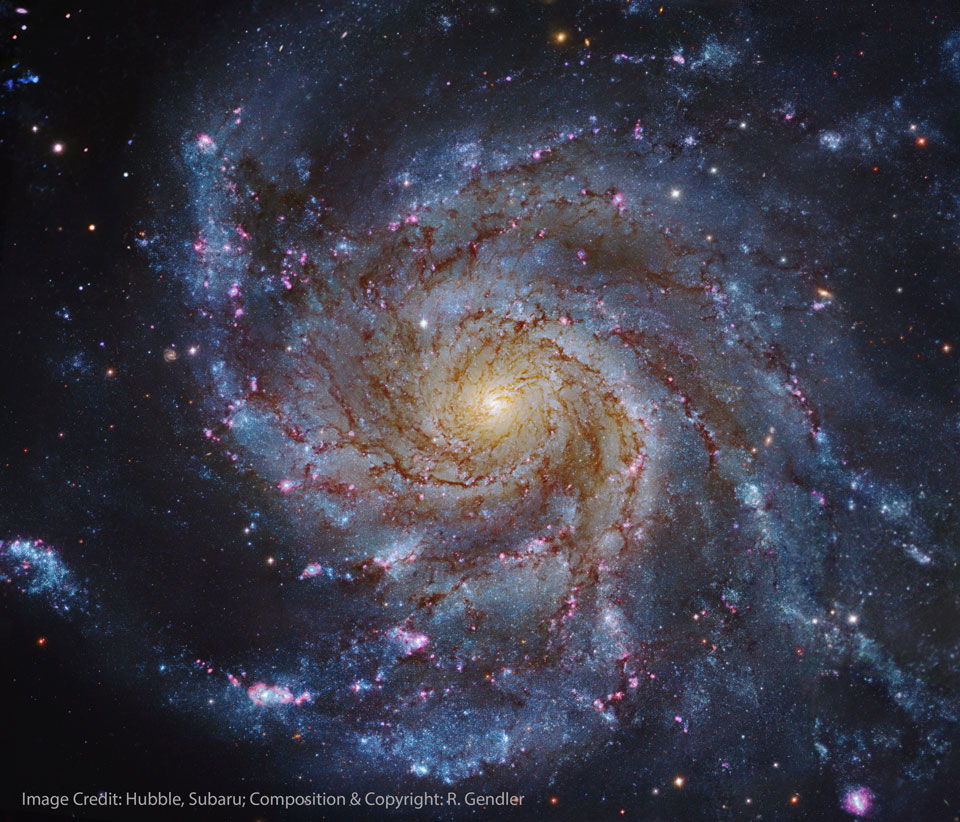
The Pinwheel Galaxy (Jun 14th):-
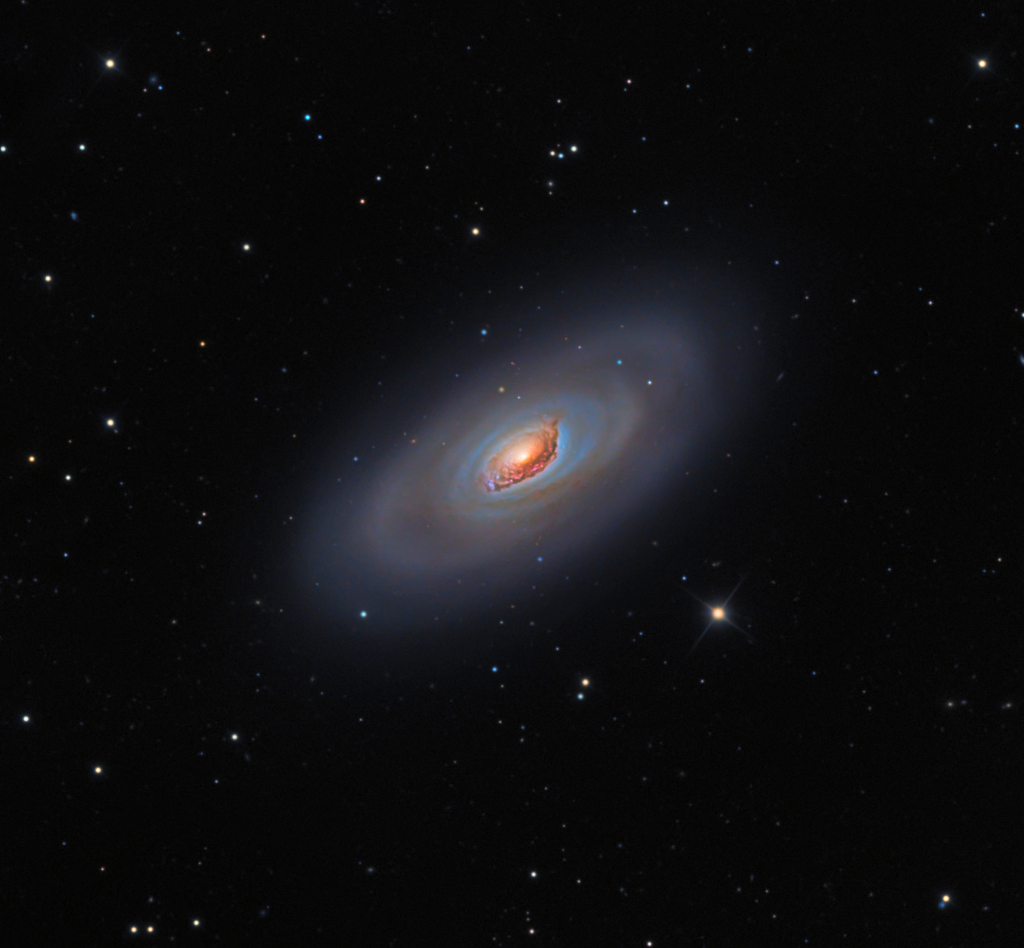
The Black Eye galaxy (Jun 18th):-
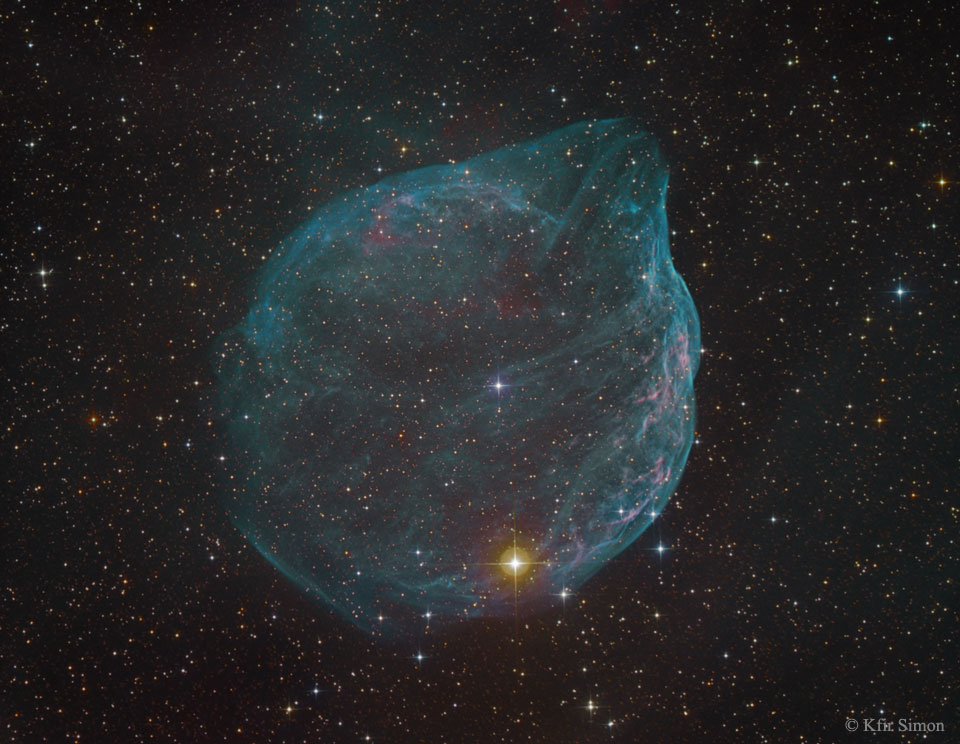
On 23rd Jun there was this star bubble round Sharpless 2-308:-
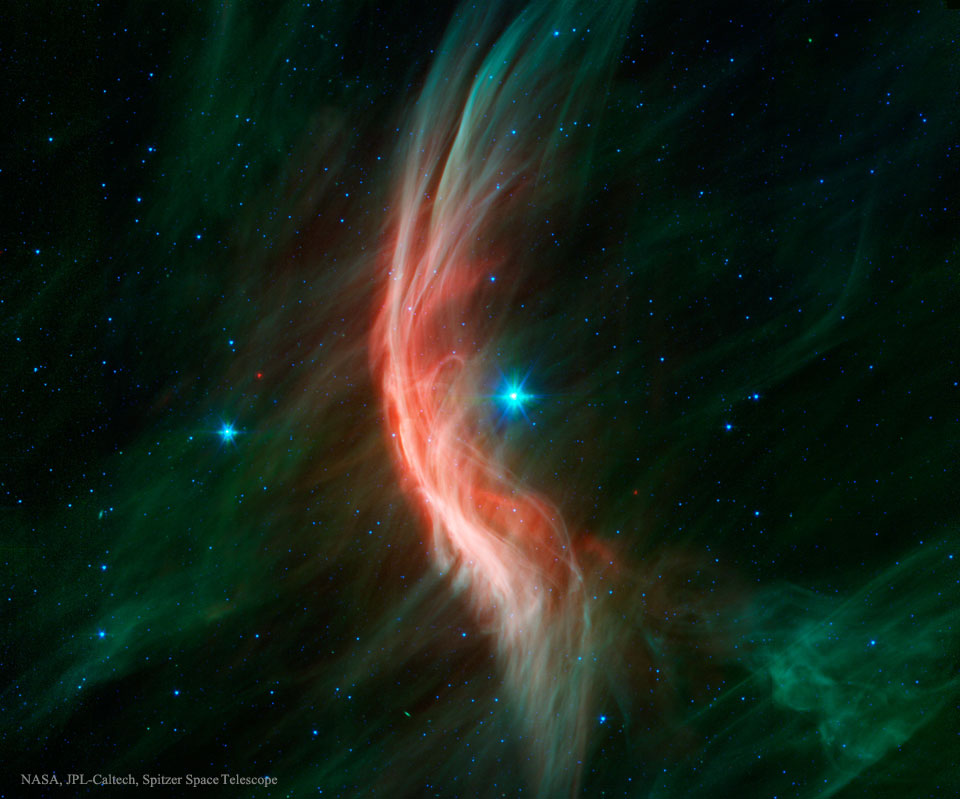
This is a picture of Zeta Ophiuchi (Jul 5th) which is travelling to the left at 24 kilometres per second thus causing the bow-shock in the interstellar dust as shown:-
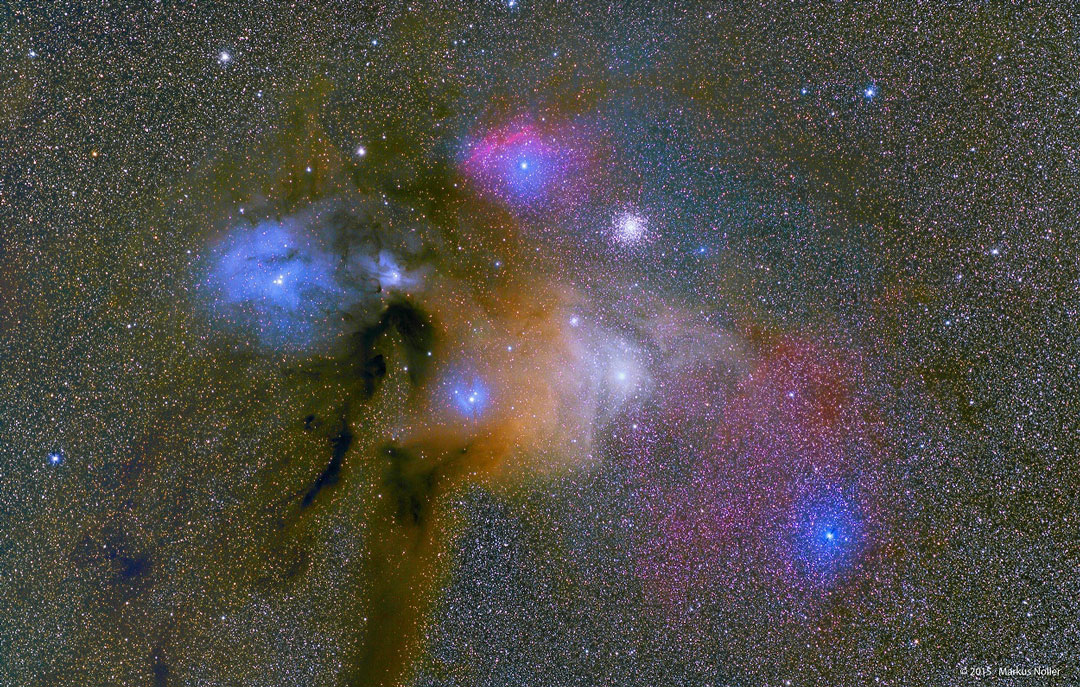
The next day gave us this picture of clouds near Rho Ophiuchi
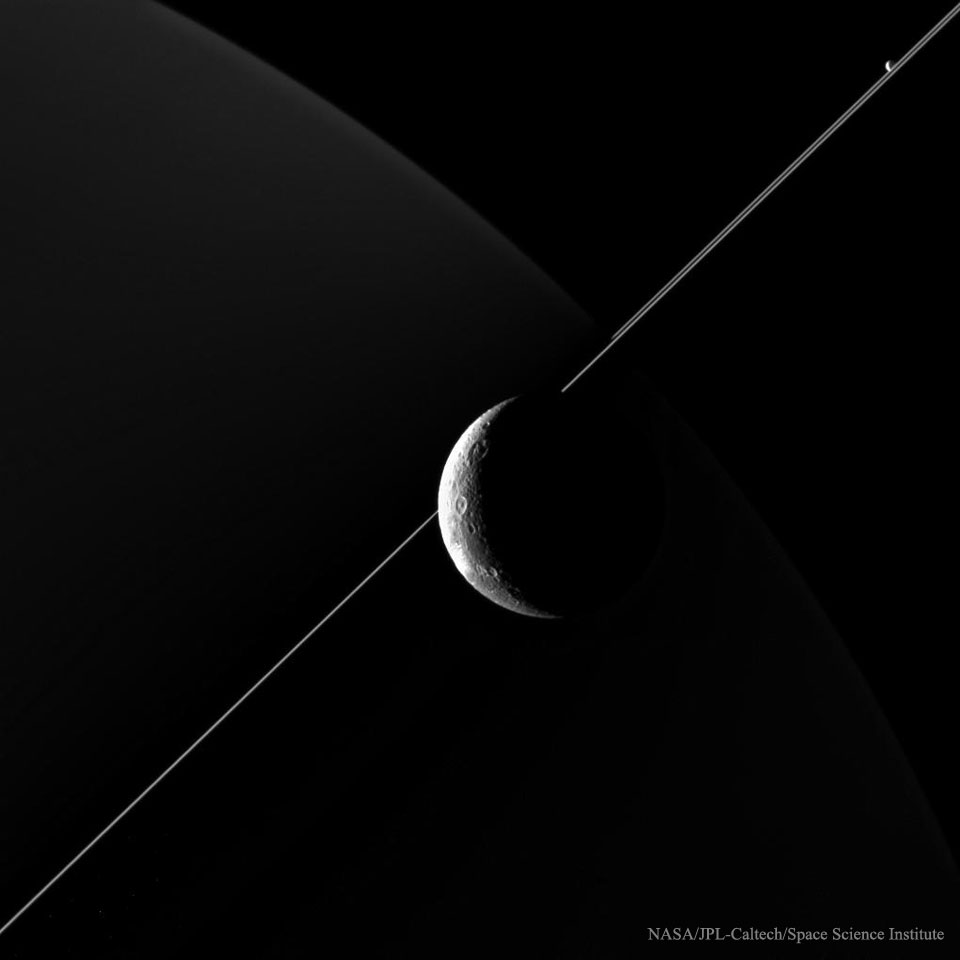
Then Jul 8th had this stunning scene of Dione, Saturn and Enceladus (Saturn is visible only as a faint arc and its rings are edge-on):-
Fly-over Ceres, Jun 10th, a composite of still pictures:-
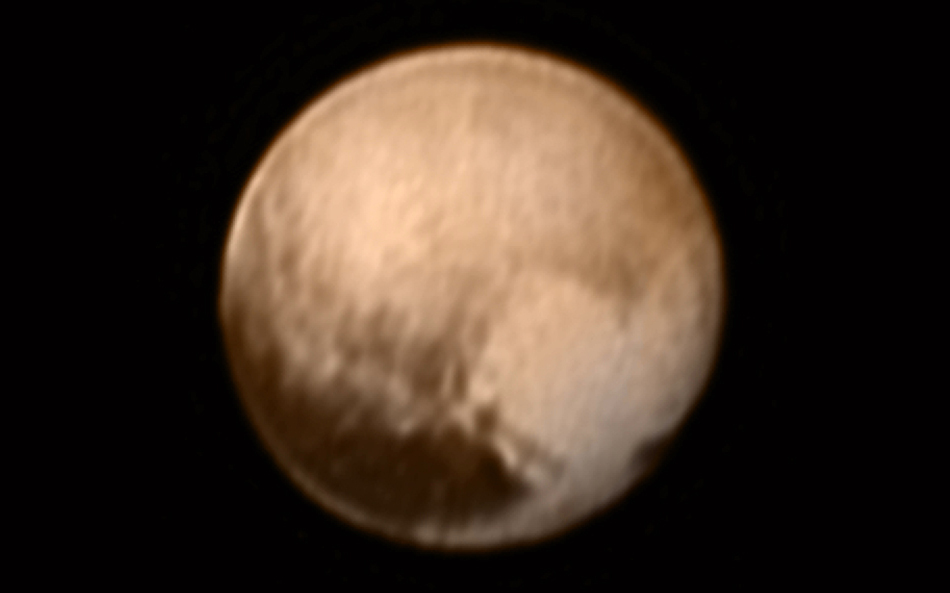
It’s exciting times for NASA as New Horizons is getting very close to Pluto. See yesterday’s picture:-
Wonderful stuff.
No Comments »
Posted in Astronomy at 22:44 on 13 February 2012
Well, Saturnlight in the same sense as moonlight. Both “shine” by reflecting sunlight.
This was Astronomy Picture of the Day for 8/2/12.
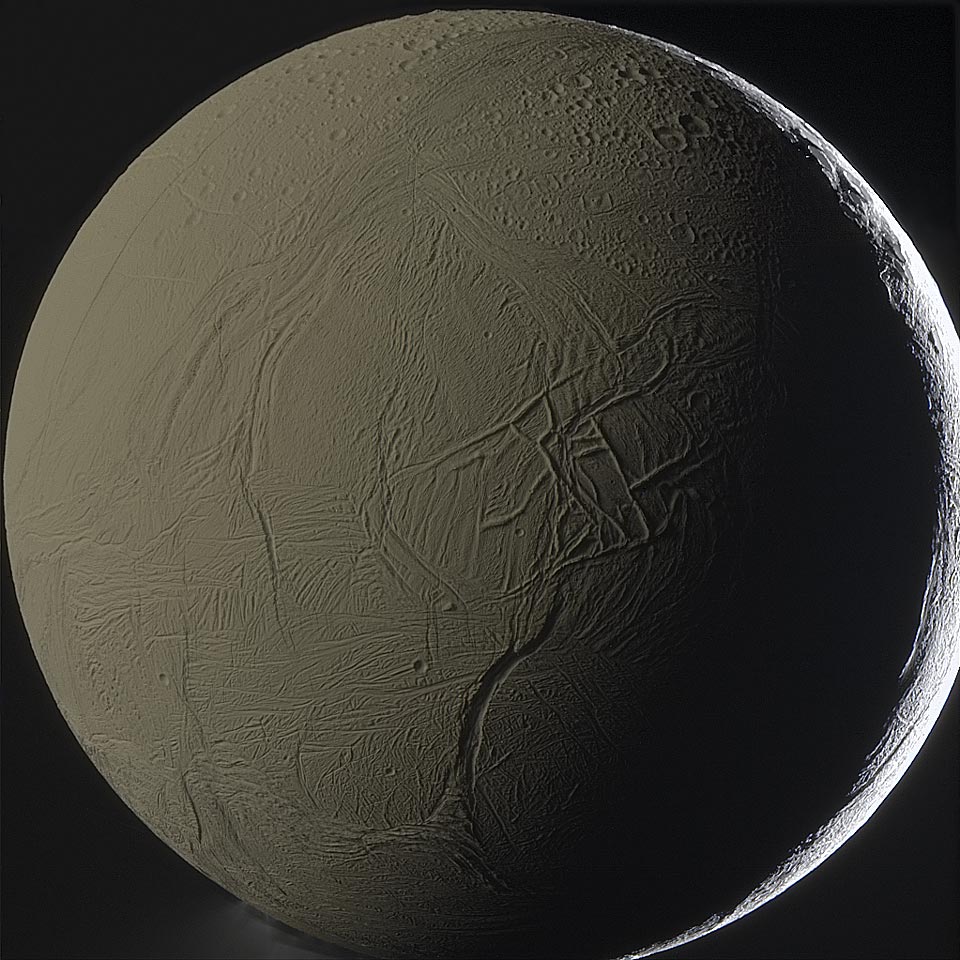
The yellow tinge is from Saturn’s cloud bands. True sunlight illuminates Enceladus on the right side of the picture.
Enceladus may have an ocean of water beneath its icy surface. Occasionally plumes of water vapour/ice are ejected through cracks in the ice.
No Comments »
Posted in Astronomy at 15:27 on 12 March 2011
Astronomy Picture of the Day strikes again. This was Tuesday’s (8/3/11.)

It shows the largest moon in the solar system, Titan, almost like a bowling ball against the background of Saturn’s rings. Apparently the rings are much smaller in thickness in relative terms than a razor blade is! The rings’ shadows on the planet’s cloud surface show the sun is angled above them. Just across to the right, just below the rings, you can see the much smaller moon Enceladus making one of its frequent transits of Saturn.
No Comments »
