Posted in Dumbarton FC, Scottish Football Grounds at 12:00 on 25 April 2026
New Central Park is the home of Kelty Hearts FC.
It’s a tidy traditional Scottish football ground.
The photographs are from the day of Sons’ first visit to it on 9/11/2024.
Entrance:-


East side of ground:-

South side looking west from entrance:-

North from entrance:-

Looking west at north end:-

Looking south From northwest corner:-

From northwest corner:-

No Comments »
Posted in Scottish Football Grounds, Trips at 12:00 on 4 September 2025
Mosset Park is home to Forres Mechanics FC, who play in the Highland League. The ground lies right by the A 95.
We happened to pass it on our trip up north in July 2024, so of course I had to stop to photograph it. It looks tidy enough but I’ve not been inside.
Mosset Park, Forres:-

No Comments »
Posted in Scottish Football Grounds, Trips at 12:00 on 26 August 2025
This football ground is home to Deveronvale Football Club who play in the Highland League.
It stands by the banks of the River Deveron, from which the club takes its name, where the river flows into the sea between the towns of Banff and Macduff.
View from the A 98:-

Closer view of stand:-

Princess Royal Park from south east:-

No Comments »
Posted in Football, Scottish Football Grounds, Trips at 12:00 on 7 August 2025
I missed photographing this when I visited Huntly before despite it being very near Huntly’s War Memorial.
Christie Park is the home of Huntly FC, who play in the Highland League.
View of ground from Castle Street:-

Entrance gates/turnstiles. These have an Art Deco styling:-

Christie Park from southeast. I had to stand on a wall to get the photos from which I made this stitched picture:-

It’s a tidy ground.
No Comments »
Posted in Dumbarton FC, Scottish Football Grounds, Trips at 12:00 on 6 February 2024
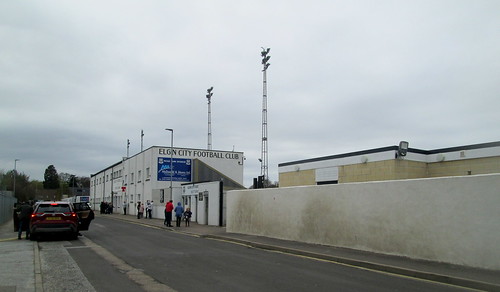
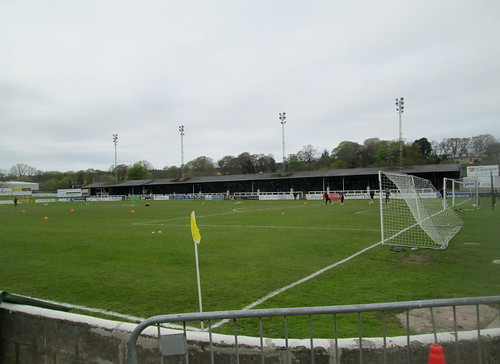
Borough Briggs is the home of Elgin City FC.
This is the reason we made the trip up north in April. I had never visited Borough Briggs. And the mighty Sons of the Rock had a game there.
(Of current SPFL grounds the only ones I still have to visit are St Mirren Park, Paisley (I was at St Mirren’s old ground in Love Street,) Victoria Park, Dingwall (Ross County) and Central Park (Kelty Hearts,) though there are some others I haven’t photographed since it was a long time ago.
During World War 2 a pillbox was built on the west terracing (called, I believe, the Bank.) See here. Those nefarious Germans could have attacked from anywhere after all. Sadly it was demolished as part of the conditions for Elgin joining the SFL, as it then was, in 2000.
Borough Briggs from road:-
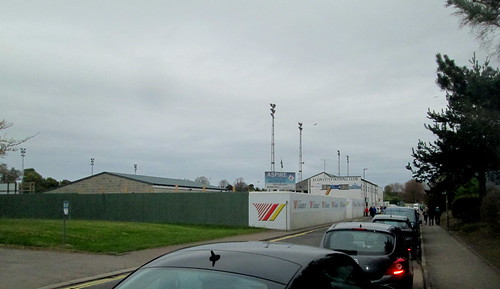
External facade:-

Opposite view from first above:-
East Goal:-

North enclosure from entrance gate:-
Main stand from east terrace:-

Inside North Enclosure, with west terrace beyond:-

Borough Briggs east Tterrace from North Enclosure:-

Main stand from west terrace:-

No Comments »
Posted in Scottish Football Grounds at 20:00 on 9 October 2023
I featured Forthbank Stadium, home of Stirling Albion FC, in 2011.
In March last year I took more pictures of which only the two below are substantially new.
East stand from car park:-

Looking north from east stand:-

No Comments »
Posted in Dumbarton FC, Scottish Football Grounds, Trips at 12:00 on 18 July 2023
Townhead Park is the home of Cumnock Juniors FC.
My visit here was the reason why we were in Ayrshire last October, Sons trip to Cumnock for the Second Round Scottish Cup game.
Centenary Gates, Townhead Park, Cumnock:-


Turntiles:-

Social club. To the extreme end of this can be seen the ramp down which players go to reach the pitch from the changing rooms:-

East end goalmouth:-

East Terrace:-

Looking north:-

View of main enclosure:-

Goal at west end:-

Looking east:-

George Morton Family enclosure:-

View from west end:-

No Comments »
Posted in Scottish Football Grounds at 12:00 on 8 March 2023
I don’t know when I’ll ever get down to Stair Park, home of Stranraer FC again (I saw Sons play there in 1971!)
However I found on the old internet this cracking view (on Facebook from Scarlett Visuals) of the ground from the air. You can find it here.
I also found this view of the turnstiles:-
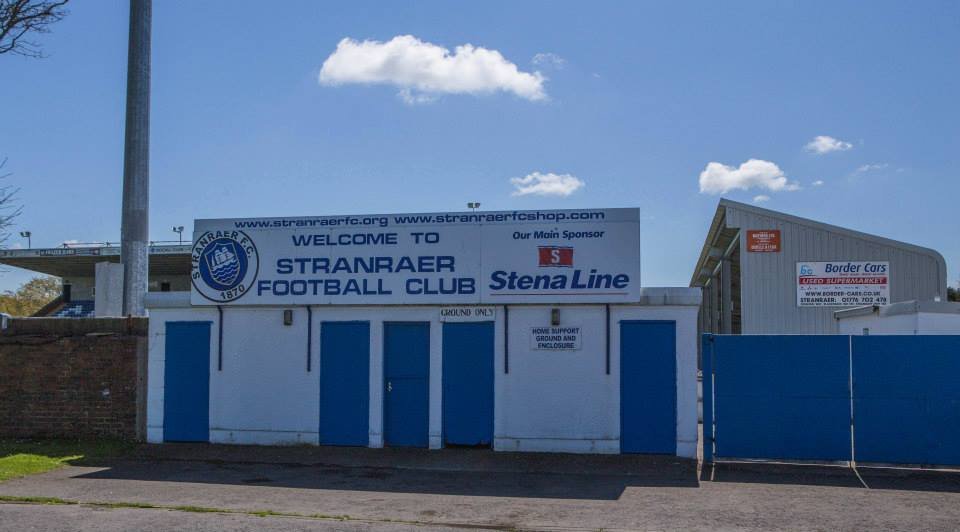
Edited to add: sadly the links to these photos no lnger work.
No Comments »
Posted in Scottish Football Grounds at 12:00 on 21 February 2023
Dudgeon Park is the home of Brora Rangers FC who play in the Highland League.

Welcome sign on wall:-

South goal and East Enclosure:-

West Stand and pitch from south:-

Southeast corner and West Stand:-

No Comments »
Posted in Football, Scottish Football Grounds at 12:00 on 16 February 2023
Harmsworth Park, Wick, is the home of Wick Academy FC who play in the Highland League.
The ground is situated towards the south of the town beside the A 99 road.
I photographed it during the close season hence the lack of goalposts.
From gate at north side:-

Fuller view from gate:-

From west south west, showing the Main Stand on the north side. You can see the pitch has an appreciable slope in two directions:-

Looking south east. Showing the covered enclosure:-

No Comments »

